
Last Updated 07/23/2026
Virginia Stormwater Laws and Regulations
Virginia Department of Environmental Quality
VADEQ Stormwater
DEQ is the lead agency for developing and implementing the Commonwealth’s statewide program to protect water quality and quantity from stormwater runoff. The agency issues permits, certifies land disturbances and offers compliance assistance.
Unmanaged stormwater can cause erosion and flooding. It can also carry excess nutrients, sediment and other contaminants into rivers and streams. Properly managed stormwater can recharge groundwater and protect land and streams from erosion, flooding and pollutants.
DEQ regulates stormwater as a “point source” of pollution, which means its source can be located. Stormwater runoff that is not confined to a single point source is considered nonpoint source pollution, which is mainly controlled through erosion and sediment control.
View State Page
Frequently Asked Questions
What is stormwater compliance in Virginia?
Stormwater compliance in Virginia means following the rules that govern how runoff from your property is managed and what you can discharge to the state’s waterways and storm sewer systems. The Virginia Department of Environmental Quality (DEQ) is the lead agency for the Commonwealth’s stormwater program and administers permits under the Virginia Pollutant Discharge Elimination System (VPDES).
Virginia regulates stormwater as a point source of pollution. When rain falls on hard surfaces like parking lots, rooftops, and roads, it picks up pollutants including sediment, oil, fertilizers, bacteria, and metals and carries them into local waterways. DEQ’s stormwater program is designed to reduce those pollutants through permitting, inspection, and enforcement.
Compliance requirements vary depending on the type of activity on your property. Construction projects, industrial facilities, and municipal systems each operate under different permit types. Your local municipality may also have its own stormwater program with additional requirements beyond what DEQ administers at the state level.
What types of stormwater permits does Virginia require?
Virginia administers three main categories of stormwater permits, each covering a different type of property or activity.
Construction permits. Any land-disturbing activity that disturbs one acre or more, or that is part of a larger common plan of development, requires permit coverage under the Virginia Erosion and Stormwater Management Program (VESMP). Operators must prepare a Stormwater Pollution Prevention Plan (SWPPP) and an erosion and sediment control plan before any land clearing begins. Depending on where your project is located, the permit may be administered by DEQ directly or by your local government as a locally approved VESMP authority.
Industrial permits. Facilities involved in manufacturing, processing, or raw materials storage that discharge stormwater are required to obtain coverage under the VPDES General Permit for Stormwater Discharges Associated with Industrial Activity. Most industrial facilities obtain coverage under the statewide general permit, which is renewed every five years by the State Water Control Board.
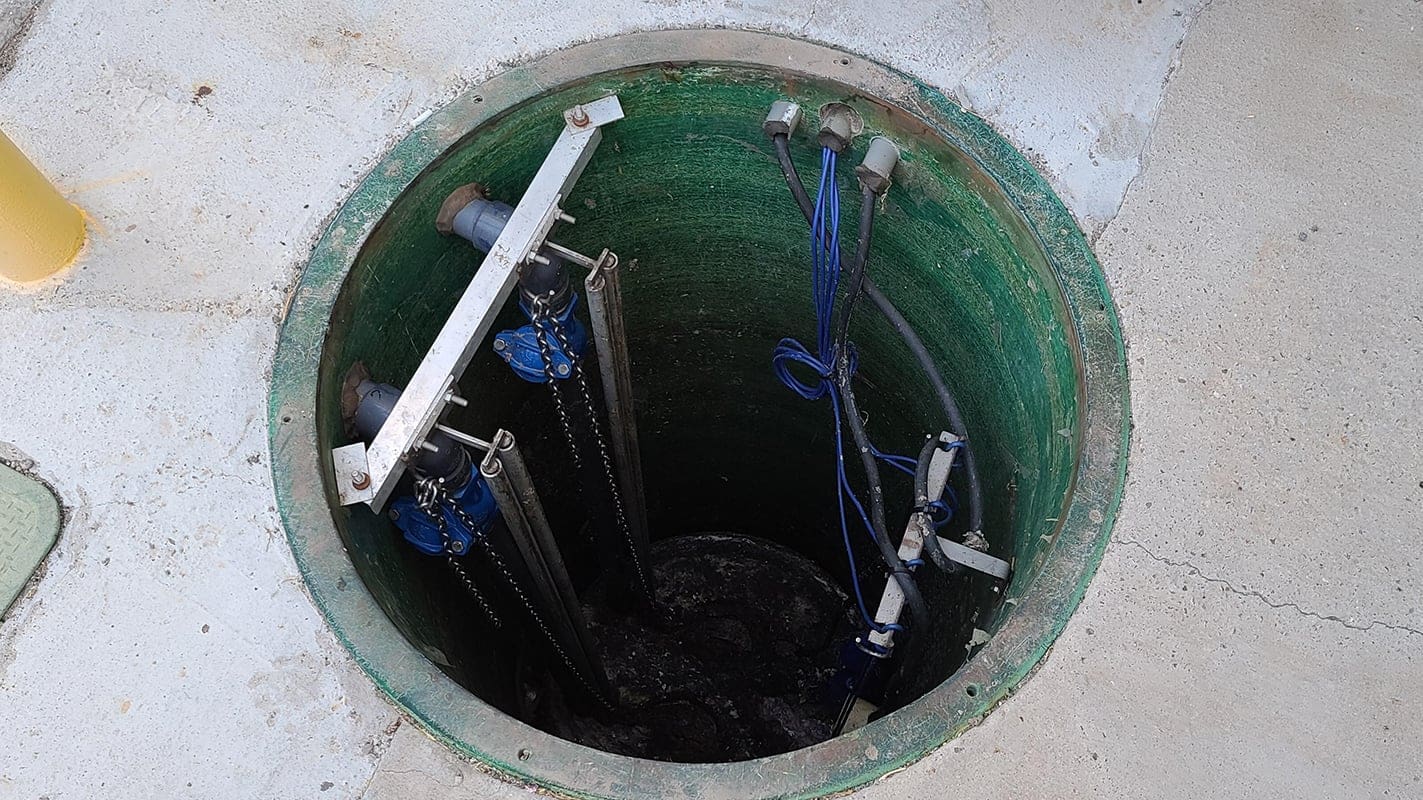
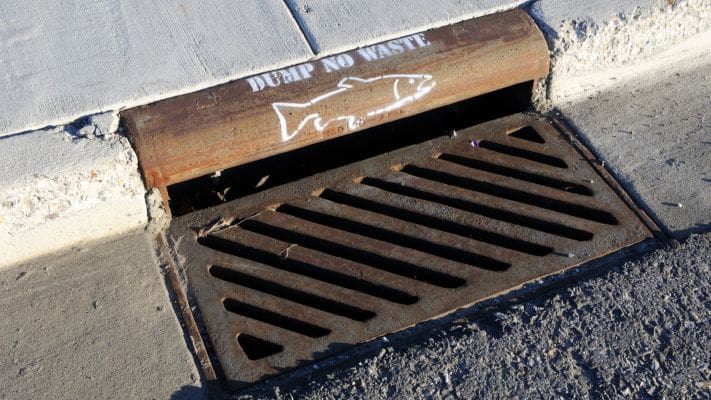
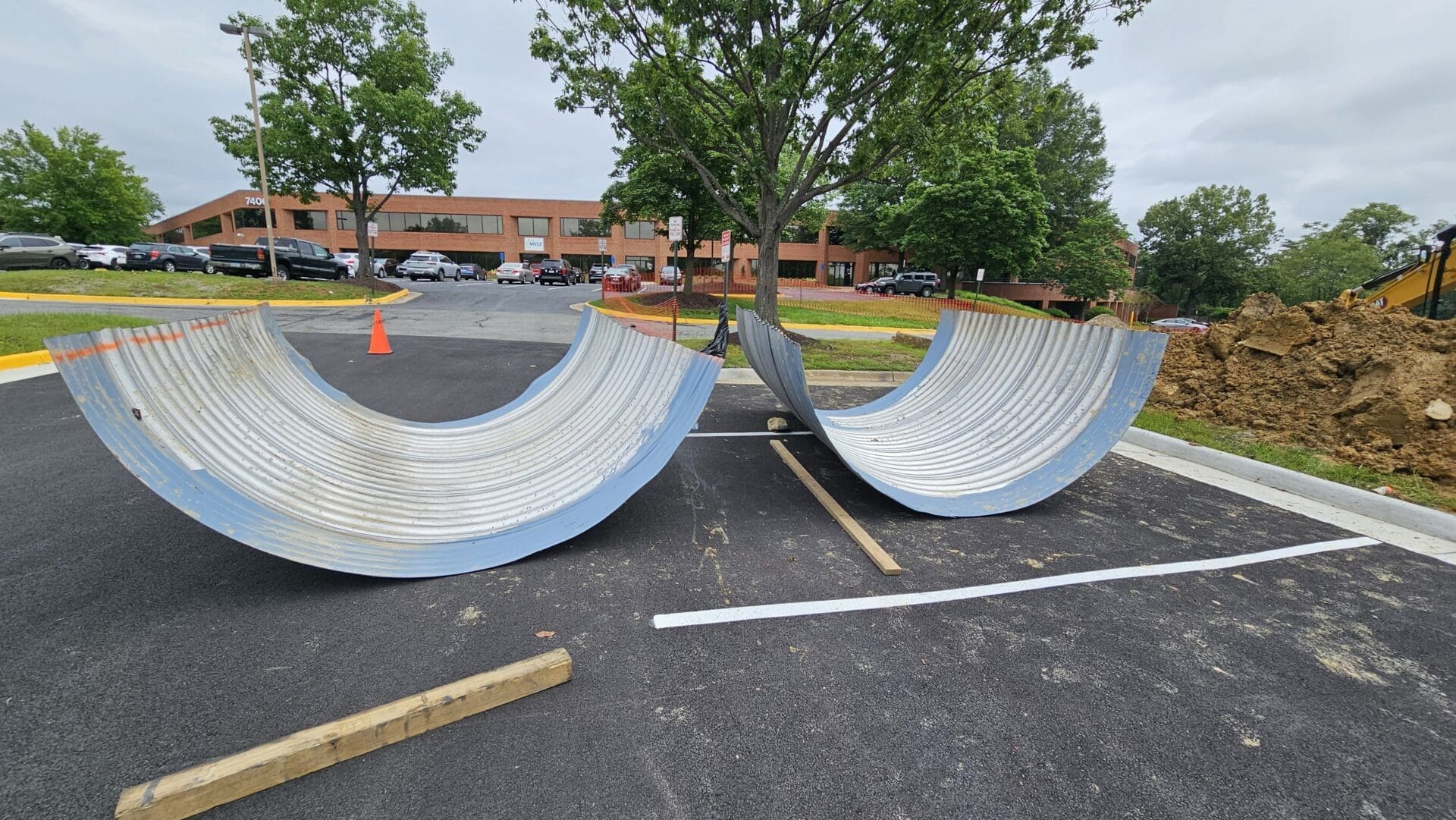
Municipal permits (MS4). Local governments that operate storm sewer systems — storm drains, pipes, ditches, and swales — must obtain MS4 permit coverage and develop a stormwater management program. These municipal programs set the local rules that apply to private property owners within their jurisdiction.
Who is responsible for stormwater compliance on my Virginia property?
In Virginia, responsibility for stormwater compliance depends on the type of activity and the type of permit involved.
For construction projects, the “operator” is responsible — defined as the owner or operator of the facility who has either direct control over construction plans and specifications or day-to-day operational control of the site. Both the property owner and a general contractor can be co-operators, meaning both can be held accountable for permit compliance.
For industrial facilities, the owner of the facility is responsible for obtaining coverage under the industrial stormwater general permit and for implementing and maintaining the required SWPPP. When ownership of a facility changes, the new owner must update and implement any required revisions to the SWPPP within six months.
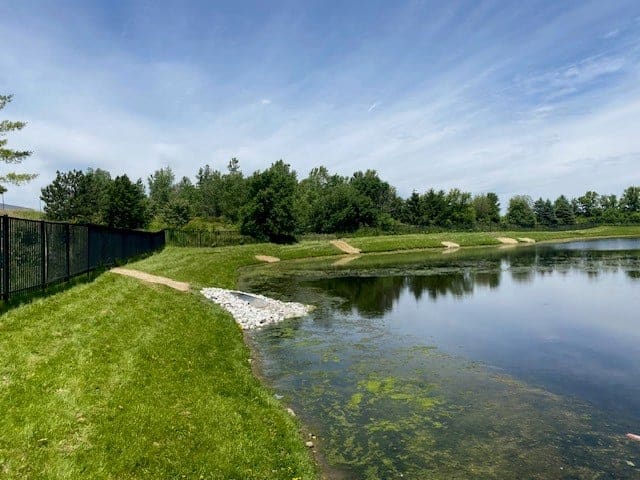
For post-construction stormwater facilities such as detention ponds, bioretention areas, and drainage structures built as conditions of development approval, responsibility for long-term maintenance typically falls on the property owner and is documented in a recorded stormwater maintenance agreement. AQUALIS can manage your ongoing compliance obligations on your behalf.
How does Virginia's stormwater program interact with my local municipality's requirements?
Virginia’s stormwater program operates at two levels, and both can apply to your property at the same time.
At the state level, DEQ administers the VPDES permit program and sets minimum stormwater management requirements through the VESMP regulations. These apply statewide to construction and industrial activities.
At the local level, many Virginia localities have been approved to administer their own VESMP programs. If your project is in one of these localities, your stormwater management plan and construction permit applications go to the local authority, not directly to DEQ. The local program may have requirements that go beyond DEQ’s minimums.
In addition to construction permitting, local governments with MS4 permits set their own ongoing requirements for privately owned stormwater facilities within their jurisdiction. This means a detention pond or bioretention area on your property may be subject to both the state permit conditions that applied when it was built and the local maintenance and inspection standards that apply on an ongoing basis.
Select your municipality from the list above to see the specific requirements that apply in your area.
What are the most common stormwater compliance failures in Virginia?
Based on AQUALIS’s experience working with commercial and industrial property owners across Virginia, these are the compliance issues we see most often.
Starting land disturbance without permit coverage. Virginia requires permit coverage before any land-disturbing activity begins on projects that disturb one acre or more, or that are part of a larger common plan of development. Beginning work without an approved SWPPP and registration statement is an automatic violation.
SWPPP not maintained or updated during construction. The SWPPP is a living document required to be updated as site conditions change and as best management practices are installed, modified, or removed. Outdated or incomplete SWPPPs are among the most common construction site inspection findings.
Post-construction facilities not maintained per the recorded maintenance agreement. Once construction is complete and a stormwater facility has been built as a condition of approval, the property owner is responsible for long-term maintenance under a recorded agreement. Sediment buildup, overgrown vegetation, and structural deterioration are common findings on commercial properties that have not been maintained since original construction.
Industrial facilities without current SWPPP or permit coverage. Industrial properties that generate stormwater associated with manufacturing or materials storage are required to obtain coverage under the industrial general permit and implement a current SWPPP. Properties that have changed use or ownership without updating their permit status are frequently out of compliance.
Missing or incomplete maintenance records. Virginia’s stormwater requirements include documentation obligations at both the construction and post-construction stages. Properties that cannot produce records of inspections, maintenance activities, and SWPPP updates have no way to demonstrate compliance during a DEQ or local authority inspection.
The information on this page is provided for general informational purposes only and is not legal advice. Regulations change frequently — AQUALIS makes no warranty as to the accuracy or completeness of this content, and any reliance on it is at your own risk. Consult a qualified professional or your local regulatory authority to confirm requirements applicable to your specific property.