

Last Updated 07/22/2026
Excerpt from Tacoma Municipal Code
Chapter 9.14 - ROADS, APPROACH AND DRAINAGE IN NEW CONSTRUCTION
9.14.202 - Property owner responsibilities.
(a) The property owner shall be responsible for operation and maintenance of drainage facilities installed on lots, and any drainage swale systems and/or drainage ditches installed in Spokane County right-of-way adjacent to lots, except in cases where Spokane County specifically assumes that responsibility in writing. This includes repair, restoration, perpetual maintenance, and any associated costs. For purposes of this chapter, “repair and restoration” shall mean putting the drainage facility into conformance with the plans on file and the approved maintenance plan on file with the Spokane County public works department, including area, volume, configuration and function. “Maintenance” means preservation of the original condition, area, volume, configuration and function of the drainage facility as described in the plans on file. This responsibility to repair, restore and maintain said drainage facility shall be imposed without regard to any fault or wrongful intention on the part of the property owner. If the property owner fails to maintain the drainage facilities in conformance with the accepted drainage plans and/or the perpetual operations and maintenance plan, notice of noncompliance will be given to the property owner, establishing a time period wherein the property owner is required to restore the drainage facility to approved conditions. If not corrected within the period indicated on said notice, Spokane County has the authority to correct the maintenance failure, or have it corrected, at the property owner’s expense, in accordance with 9.14.205.
(b) Upon purchasing a lot, a property owner shall assume responsibility to maintain and repair and restore the drainage facility(s) on the property in accordance with the original plans on file with the Spokane County public works department.
(c) The dedicatory language and/or conditions of approval of all new subdivisions, where drainage facility(s) are required, shall state the property owner’s responsibility for repair, restoration, and perpetual maintenance of drainage facilities installed on lots.
(d) Prior to any alteration of a drainage facility not in conformance with the plan on file with the Spokane County public works department, the property owner shall submit, or cause to be submitted, to the Spokane County public works department a revised plan for the drainage facility; however, the area, volume of water that may be conveyed, stored and infiltrated, and the water quality treatment capability of the drainage facility must remain the same as the original plan. If Spokane County accepts the revised plan and drainage analysis, the property owner shall alter the drainage facility according to the revised plan within the time limit specified by Spokane County. Spokane County may require the property owner to have performed a field test of the drainage facility, by flooding the facility to the design volume of the original plans, in the presence of a county inspector. The property owner shall notify the Spokane County public works department when the field test is to be performed, if required, or when work on the facility has been completed if the field test is not required.
(e) If all or any portion of a drainage facility altered as provided in the preceding subsection is located outside the original public easement for the facility, the owner shall grant a revised easement that includes the entire facility as altered. The revised easement shall grant Spokane County, and its authorized agents, the right of ingress and egress to the drainage facility. If the altered drainage facility and revised easement are accepted by Spokane County, the property owner shall record the revised easement with the Spokane County auditor, and provide the Spokane County public works department with a copy of the revised easement.
(f) If the drainage facility has not been maintained according to the approved perpetual operations and maintenance plan to meet water quality standards, enforcement may be issued. If any portion of a drainage facility is found to be in violation of the code herein, the property owner responsible for its operation and maintenance is subject to enforcement and penalties in accordance with Spokane County Code Section 9.14.205.
9.14.207 – Stormwater or drainage easements and maintenance access easements penalty.
(a) The property owner is responsible for keeping open drainage and stormwater easements on his/her property. If a drainage or stormwater easement is unlawfully encroached upon or the drainage functionality of a designated drainage or stormwater easement is reduced, the property owner is responsible for removing the encroachment or detriment. The county may give a notice to the property owner. If the encroachment or other detriment is not removed and drainage facility within the easement restored by the time limit designated in the notice, the property owner shall be guilty of a misdemeanor and shall be subject to a fine not to exceed two hundred fifty dollars or imprisonment in the county jail not exceeding ninety days, or both. Each day that a violation exists, shall constitute a separate offense.
(b) The property owner is responsible for keeping open maintenance access easements serving drainage facilities and drainage easements. If a maintenance access easement is not kept open and maintained, Spokane County may give notice to the property owner. If the access is not opened by the time designated in the notice, the property owner shall be guilty of a misdemeanor and shall be subject to a fine not to exceed two hundred fifty dollars or imprisonment in the county jail not exceeding ninety days, or both. Each day that a violation exists, may constitute a separate offense.
(c) Drainage and stormwater easements and maintenance access easements shall be recorded with the Spokane County auditor, and shall run with the land. Under no circumstances shall a property owner modify such easements or the drainage access facilities within them without prior approval from the Spokane County environmental services department.
9.14.209 – Failure to comply with approval conditions related to drainage and stormwater management—Penalty.
Any person who fails to comply with drainage and/or stormwater management condition of approval for county permits, property divisions and land use actions, or State Environmental Policy Act conditions imposed by actions of the board of county commissioners, hearing body and/or building and planning department which said person is responsible for following, shall be guilty of a misdemeanor and shall be subject to a fine not to exceed two hundred fifty dollars or imprisonment in the county jail not exceeding ninety days, or both. Each day that a violation exists, shall constitute a separate offense.
Chapter 12.08 WASTEWATER AND SURFACEWATER MANAGEMENT REGULATION AND RATES
12.08.005 Purpose and policy.
Pursuant to the authority conferred by RCW 90.48, this chapter sets forth uniform requirements for users of the Publicly Owned Treatment Works (POTW) and the storm drainage system of the City of Tacoma, and allows the City to comply with all applicable state and federal laws including, but not limited to, the Clean Water Act, the General Pretreatment Regulations, 40 CFR Part 403, and the Stormwater Regulations in 40 CFR Parts 122, 123, and 124. The objectives of this chapter are to:
- Prevent the introduction of pollutants into the POTW that will interfere with the operation of the POTW, or otherwise be incompatible with the POTW;
- Prevent the introduction of pollutants into the POTW that will pass through the POTW inadequately treated, into receiving waters;
- Protect personnel who may be affected by wastewater and biosolids in the course of their employment, and to protect the general public;
- Ensure that the quality of POTW biosolids is maintained at a level that allows its use and disposal in compliance with applicable statutes and regulations;
- Improve the opportunity to recycle and reclaim wastewater and biosolids from the POTW;
- Support economic development with the establishment of a new program to support conservation of the municipal sewer system through economic incentives and technical assistance for wastewater source control and wastewater pretreatment processes;
- Fix the price of service for the City’s POTW;
- Fix the price of service for the City’s storm water system;
- Provide for the control of the quantity and quality of the water discharged into the municipal storm drainage system so as to comply with the City’s Stormwater Management Program, its NPDES permits, and applicable state and federal laws;
- Manage stormwater to minimize flooding, erosion, and contact with contaminants or pollutants; and to manage runoff from developed properties and construction sites;
- Encourage Low Impact Development (“LID”) as the preferred and commonly-used approach for stormwater management.
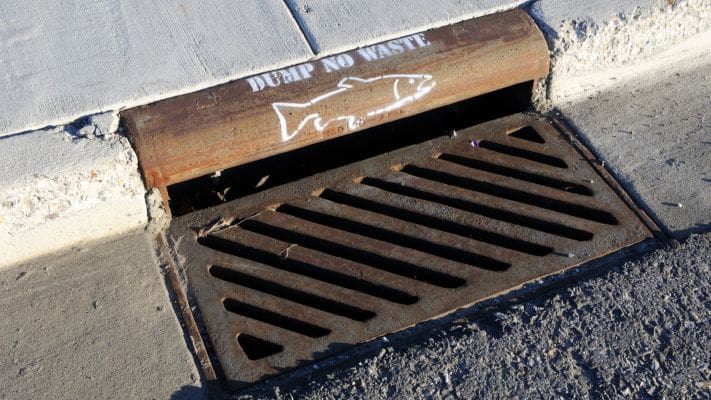
- Mitigate the impacts of increased runoff due to urbanization, correct or mitigate existing water quality problems related to stormwater, and to help restore and maintain the chemical, physical, and biological integrity of the City’s waters for the protection of beneficial uses, including salmon.
The purpose of this chapter is to provide for and promote the health, safety, and welfare of the general public. The provisions of this chapter shall be liberally construed to give full effect to the objectives and purposes for which it was enacted. Compliance with the provisions of this chapter and regulations and manuals referenced under this chapter does not necessarily mitigate all impacts to the environment. Compliance with this chapter and related regulations and manual should not be construed as mitigating all stormwater impacts, and additional mitigation may be required to protect the environment. This chapter does not create or otherwise establish or designate any particular class or group of persons who will or should be especially protected or benefited by the provisions of this chapter. The primary obligation for compliance with this chapter and for preventing environmental harm on or from property is placed upon responsible parties, as defined by this chapter.
12.08.007 Applicability and administration.
A. General. This chapter shall apply to all direct and indirect users of the City’s Municipal Sewer System. The Director of the Environmental Services Department is hereby authorized and directed to enforce all provisions of this chapter. The Director shall have the authority to render interpretations of this chapter, and may adopt reasonable rules and administrative procedures to enforce the provisions of this chapter. Such interpretations, rules, and administrative procedures shall be in conformity with the intent and purposes of this chapter.
B. The Director may appoint such number of technical officers, inspectors, and other personnel as shall be authorized from time to time to implement the provisions of this chapter.
C. Inspections. All activities regulated by this chapter, except those exempted under TMC 12.08.090, are subject to inspection by the Director to determine that adequate control is being exercised, or to determine whether an approval is warranted. The Director may establish inspection programs to ensure compliance with the requirements of this chapter and to accomplish its purposes. Inspection programs may be established on any reasonable basis including, but not limited to, routine inspections, random inspections, inspections based upon complaints or other notice of possible violations, inspection of drainage basins or areas identified as higher than typical sources of sediment or other contaminants or pollutants, inspections of businesses or industries of a type associated with higher than usual discharges of contaminants or pollutants or with discharges of a type which are more likely than the typical discharge to cause violations of state or federal water or sediment quality standards or the City’s NPDES stormwater permit, and joint inspections with other agencies inspecting under environmental or safety laws. Inspections may include, but are not limited to, reviewing maintenance and repair records; sampling discharges, surface water, and material or water in drainage control facilities; and evaluating the condition of drainage control facilities and other best management practices.
D. Right of Entry. Whenever necessary to make an inspection to enforce any of the provisions of this chapter or monitor for proper function of stormwater facilities, or whenever the Director or the Director’s authorized representative has reasonable cause to believe that there exists in any building or upon any property any condition or violation of this chapter relating to the pollution or the possible pollution of any of the waters of the state, the Director or the Director’s authorized representative may enter such building or premises at all reasonable times to inspect the same, collect samples, or to perform any duty imposed upon the Director by this chapter, provided that if such building or premises be occupied, the Director shall first present proper credentials and request entry; and if such building or premises be unoccupied, the Director shall first make a reasonable effort to locate the owner or other persons having charge or control of the building or premises and request entry. If such entry is refused, the Director shall have recourse to every remedy provided by law to secure entry.
E. Authority to Stop Work. Whenever work is being done that is contrary to the provisions of this chapter, or contrary to the provisions of plans, drawings, specifications, or calculations approved by the Director, then the Director may order the work stopped by notice in writing, served on those persons engaged in or causing the work to be done. Any such persons shall thereafter stop such work until authorized by the Director to proceed.
F. Violations. Violations of this chapter and/or any state and federal regulation the City is authorized to enforce under this chapter may be subject to the enforcement procedures set forth in Tacoma Municipal Code (“TMC”) 12.08.200, assessment of supplemental charges under TMC 12.08.610, the penalty provisions of TMC 12.08.670, and the notification and civil penalty provisions set forth in TMC 12.08.675, and any other enforcement provisions authorized by this chapter.
G. Re-inspections. It shall be the duty of the owner or the owner’s agent to notify the Director that violations have been corrected, and to request a re-inspection. The Director may require that such request for re-inspection be filed one working day before such inspection if desired. It shall be the duty of the owner or owner’s agent to provide safe access to and means for inspection of any corrective work.
I. Best Management Practices. Pursuant to the municipal stormwater National Pollutant Discharge Elimination System (NPDES) permit issued by the Washington State Department of Ecology, the Director is authorized to develop and update, as necessary, the City of Tacoma Stormwater Management Manual, hereinafter referred to as the “Manual.” The Best Management Practices (hereinafter “BMPs”) that are set forth in the Manual are intended to control the quality and quantity of stormwater that is or will be contributed to the City’s storm drainage system as the result of existing discharges and land uses, new development and redevelopment, and stormwater maintenance activities. In those instances where appropriate BMPs are not in the Manual, emerging BMPs may be considered. Emerging BMPs will be considered under the exceptions process in TMC 12.08.095.
J. Regulated Activities. This chapter regulates all direct and indirect discharges to receiving waters and the Municipal Sewer System, including discharges to privately owned catch basins which discharge directly or indirectly to receiving waters or the Municipal Sewer System, and any other direct or indirect discharge to receiving waters or the Municipal Sewer System from real property.
K. Exemptions. In addition to any exemption provided under TMC 12.08.090, development undertaken by the Washington State Department of Transportation in state highway rights-of-way is exempt from the requirements of TMC 12.08.090.D, except to the extent those requirements impose more stringent provisions as provided in Chapter 173-270 WAC, the Puget Sound Highway Runoff Program, and is subject to municipal and construction NPDES permits issued by the Department of Ecology. The Department of Transportation shall submit copies of plans for these exempt development activities to the Director.
12.08.030 Prohibitions on storm drainage, ground water and unpolluted water – Sanitary.
Stormwater, groundwater, subsurface drainage, yard drainage, roof drainage, or unpolluted water, including, but not limited to, cooling water or process water, shall not be discharged through direct or indirect connection to any sanitary sewer unless approved by the Director. The Director may, but shall not be required to, approve such discharge only when no reasonable alternative method of disposal is available. If approval is granted for the discharge of such water into a sanitary sewer, the user shall pay the applicable charges and fees and meet such other conditions as required from time to time by the Director.
12.08.090 Stormwater program requirements.
A. Pursuant to the terms of its municipal stormwater NPDES permit, the City of Tacoma has implemented a stormwater management program that includes the use of the Manual. The Director of the Environmental Services Department is authorized to enforce the provisions of the stormwater management program through reasonable rules and administrative procedures, pursuant to TMC 12.08.007.
B. The following activities are regulated through the stormwater management program under this chapter:
- Existing discharges and land uses that discharge to the storm drains, either directly or indirectly or that discharge to receiving waters within Tacoma city limits, either directly or indirectly.
- Discharges from new development, redevelopment, and construction activities
- Stormwater maintenance activities.
C. Minimum Source Control Requirements for Existing Discharges and Land Uses. Source Controls shall be implemented by all businesses and public entities engaged in pollution generating activities.
- If the Director determines that discharges from an existing commercial or industrial facility cause or contribute to an illicit discharge, a nuisance, a threat to public health and safety, or a violation of the City’s municipal stormwater NPDES permit or this chapter, the Director shall require the responsible party to implement and maintain operational BMPs in accordance with Volume IV of the Manual. The Director may also require persons responsible for “track-out” conditions on paved public streets or alleys to implement and maintain operational BMPs in accordance with Volume IV of the Manual to prevent polluted matter from entering the municipal storm drain system. If the Director determines that the discharges causing or contributing to the problem cannot be adequately addressed by operational BMPs, the Director may require the responsible party to undertake more stringent or additional BMPs, which may include structural BMPs or other actions necessary to cease causing or contributing to the problem or violation.
- Source control activities shall be implemented to the extent necessary to prevent prohibited discharges, as described in TMC 12.08.080, and to prevent contaminants from coming in contact with stormwater. Source control actions include, but are not limited to, segregating or isolating wastes to prevent contact with stormwater; enclosing, covering, or containing the activity to prevent contact with stormwater; developing and implementing inspection and maintenance programs; sweeping; and taking management actions, such as training employees on pollution prevention.
- Spill prevention shall be required for all businesses and public entities, as defined in rules promulgated by the Director. Minimum requirements for spill prevention shall include developing and implementing plans and procedures to prevent spills and other accidental releases of materials that may contaminate stormwater. This requirement may be satisfied by a Stormwater Pollution Prevention Plan prepared in compliance with an NPDES stormwater permit for the site; the implementation of procedures for immediate containment and other appropriate action regarding spills and other accidental releases to prevent contamination of stormwater; providing necessary containment and response equipment on-site; and training of personnel regarding procedures and equipment to be used.
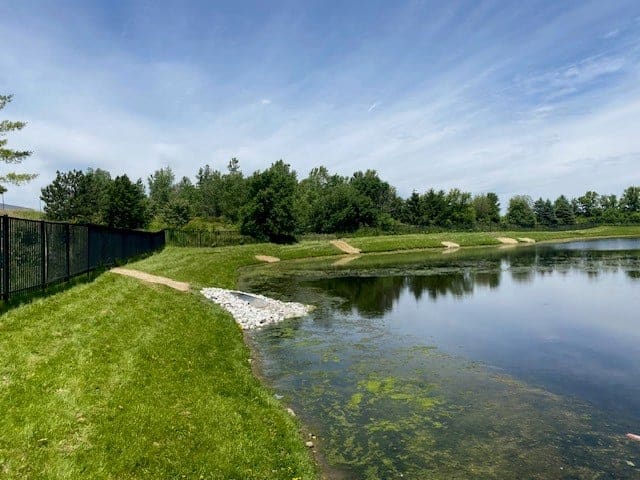
E. Stormwater Maintenance Activities. Maintenance of all storm drainage facilities or controls shall be required in accordance with the Manual. The proper maintenance of these controls or facilities is essential for the protection of the City’s municipal storm drainage system and the environment. Storm drainage controls or facilities are either privately or publicly owned and maintained. All storm drainage facilities that serve commercial and industrial sites are private. Storm drainage facilities or controls that are privately owned by a homeowner’s association or similar organization also are privately maintained.
- Maintenance and Inspection. All privately owned storm drainage facilities or controls shall be maintained by the owner, or the homeowner and/or owner association, if one is established as part of a residential or commercial development. All private storm drainage facilities shall be regularly inspected to ensure proper operation and shall monitor the facility or control as required or as set forth in the Manual. The owner, or homeowner and/or owner association shall maintain records of inspection and maintenance, disposal receipts, and monitoring results. The records shall catalog the action taken, the person who took it, the date said action was taken, how it was done, results of any monitoring effort, and any problems encountered or follow-up actions required. The records shall be made available to the City upon request. The owner, or homeowner and/or owner association shall maintain a copy of the Stormwater Operations and Maintenance Manual on site, and shall make reference to such document in real property records filed with the Pierce County Auditor, so others who acquire real property served by the privately owned storm drainage facilities or controls are notified of their obligation to maintain such facilities or controls.
- City Inspection. The regular inspection of privately owned storm drainage facilities or controls is essential to enable the City to evaluate the proper operation of the City’s municipal storm drainage system and the environment. The City shall have the right to regularly inspect all private storm drainage facilities to ensure they are properly operated and maintained. The City may offer an incentive program to owners to encourage the proper maintenance of private storm drainage facilities.
F. Requirement to Report Spills, Releases, or Illicit Discharges. A responsible party shall report to the Environmental Services Department any spill, release, illicit discharge, or other incident causing a discharge that has contributed or is likely to contribute pollutants to the Municipal Sewer System or receiving water immediately, but no later than twenty-four (24) hours after first becoming aware of such event. Spills shall be reported to the Environmental Services Department. This reporting requirement is in addition to any other reporting requirement imposed, pursuant to federal, state, or local laws and regulations.
12.08.670 Violation Penalties.
Any person found guilty of willfully violating, without sufficient cause, any of the provisions of this chapter, or permit or order issued pursuant to this chapter, is guilty of a gross misdemeanor, and on conviction shall be punished by a fine of up to $5,000.00, or by imprisonment for up to 365 days, or by both such fine and imprisonment. Each day’s violation may be deemed a separate offense and shall be subject to a penalty assessment for each day during the period of violation.
View State Page
Frequently Asked Questions
What is stormwater compliance in the City of Tacoma?
Stormwater compliance in Tacoma means following the City’s stormwater ordinance and Stormwater Management Manual, which set minimum requirements for how all properties manage runoff. The City is the permitting authority for all land disturbing activities and will only issue construction permits to projects with an approved plan to manage runoff during construction. Property owners are responsible for maintaining all on-site stormwater facilities and open space areas required by their approved plan.
Tacoma’s ordinance covers existing properties, not just new development. All existing discharges and land uses that reach the storm drain system are regulated, and all businesses engaged in pollution generating activities are required to implement source controls. The City operates under the NPDES program and can inspect properties and issue a Notice of Violation for any deficiency found on site.
Who is responsible for stormwater maintenance in Tacoma?
All privately owned storm drainage facilities must be maintained by the property owner or, where one exists, the homeowner or owner association. This applies to all commercial and industrial properties, as well as residential developments with private drainage facilities.
Tacoma’s ordinance also requires that the O&M Manual for your stormwater system be referenced in real property records filed with the Pierce County Auditor. This ensures that anyone who acquires the property in the future is notified of their maintenance obligations. If that reference was never made, it is a documentation gap that needs to be addressed.
AQUALIS can manage your stormwater maintenance obligations, maintain required records, and help ensure your Pierce County Auditor filing is in order.
What does Tacoma require for source control on commercial properties?
Every business or public entity engaged in pollution generating activities must implement and maintain source control BMPs. This applies to all commercial properties, not just those that have received a notice of violation.
Source control actions include covering or containing materials to prevent contact with stormwater, segregating or isolating wastes, sweeping, and training employees on pollution prevention. If the City determines that operational BMPs are not enough to prevent prohibited discharges, it can require structural BMPs or other additional actions at the responsible party’s expense.
All businesses must also have spill prevention plans in place, including procedures for immediate containment of spills, response equipment on site, and trained personnel. This obligation applies whether or not you have a separate NPDES permit for your operations.
What are the penalties for stormwater violations in Tacoma?
Tacoma’s penalties are among the most significant of any municipality reviewed.
Gross misdemeanor with fines up to $5,000 and up to 365 days imprisonment for willful violations of the stormwater ordinance. Each day of continued violation is a separate offense.
Civil penalties are available independently of criminal prosecution and can be issued alongside corrective action orders and compliance schedules.
Stop work orders can be issued immediately whenever work is being done contrary to the provisions of the ordinance or contrary to approved plans.
Emergency suspension of service is available for serious violations, meaning water and sewer service can be terminated.
For drainage easement violations specifically, each day a violation continues also constitutes a separate misdemeanor, with fines up to $250 and up to 90 days in jail per offense. Encroaching on a drainage easement or blocking a maintenance access easement without prior approval is an independent violation.
What are the most common stormwater compliance failures in Tacoma?
Based on AQUALIS’s inspection experience and Tacoma’s ordinance requirements, these are the issues we see most often.
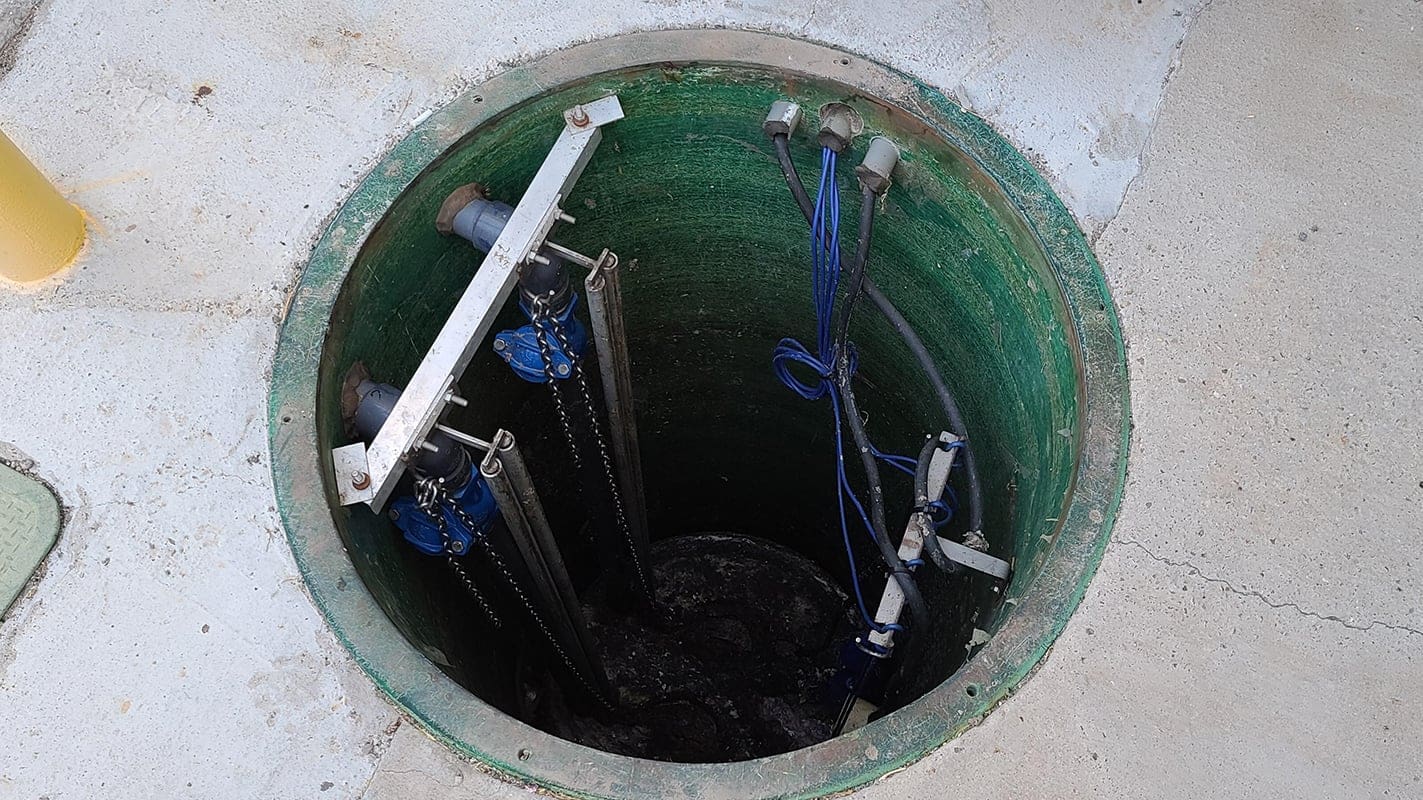
Privately owned drainage facilities not maintained per the Manual. All commercial storm drainage facilities are privately maintained. Sediment buildup, clogged inlets and outlets, failed vegetation, and deteriorated structures are the most common findings during City inspections.
No source control BMPs for pollution generating activities. Businesses with outdoor storage, vehicle maintenance, food waste, chemicals, or other potential contaminants on site are required to have operational BMPs in place. Many commercial properties have these activities without any documented controls.
Spills not reported within 24 hours. Any discharge that has contributed or is likely to contribute pollutants to the storm drain or receiving water must be reported to Environmental Services within 24 hours. Failure to report is an independent violation separate from the spill itself.
O&M Manual not referenced in Pierce County Auditor records. Tacoma requires this reference so future property owners are notified of their maintenance obligations. Properties that changed hands without this filing in place have a documentation gap.
Drainage easements encroached upon or blocked. Property owners are responsible for keeping drainage and maintenance access easements open. Fences, landscaping, and structures within easements are a common source of violations that accumulate daily penalties.
How do I know if my Tacoma stormwater system is at risk of failure or safety violation?
Watch for these warning signs.
Water is not draining after rain. Standing water more than 72 hours after a storm suggests your drainage facilities are not functioning as required under the City’s Stormwater Management Manual.
You have outdoor business activities without documented source controls. Any business engaged in pollution generating activities is required to have BMPs in place. If yours are not documented and implemented, that is an active compliance gap the City can act on during a routine inspection.
A spill occurred and was not reported. If a release reached or could have reached the storm drain and was not reported to Environmental Services within 24 hours, that is an unreported violation. Addressing it proactively is far better than waiting for the City to discover it.
You have structures or vegetation within a drainage easement. Any encroachment on a drainage or maintenance access easement is a violation generating daily penalties. If you are not sure whether your property has recorded easements, a title search or AQUALIS assessment can confirm their location and status.
Your O&M Manual is not referenced in Pierce County Auditor records. If this filing was never made, or if you cannot confirm it was made after a property transfer, that gap needs to be resolved.
Upcoming sale or change in ownership. Tacoma’s O&M Manual requirement in Auditor records is specifically designed to carry obligations through ownership changes. An AQUALIS assessment before a transaction can confirm all documentation is in order and surface any maintenance issues before they become the new owner’s liability.
The information on this page is provided for general informational purposes only and is not legal advice. Regulations change frequently — AQUALIS makes no warranty as to the accuracy or completeness of this content, and any reliance on it is at your own risk. Consult a qualified professional or your local regulatory authority to confirm requirements applicable to your specific property.