

Last Updated 08/19/2026
City of Portland Stormwater Technical Manual
APPENDIX B. Inspection and maintenance
This appendix applies to all projects. A project that is only required to meet basic standards (stormwater PBR) must meet the standards in Section 1. All other projects must meet standards in Sections 1 through 5.
See Appendix D (5) for additional maintenance requirements related to infiltration of stormwater.
A. Basic standards
(1) When the basic standards must be met. A project disturbing one acre or more must meet the basic standards. Basic standards are specified in Appendices A, B, and C of this chapter and address erosion and sedimentation control, inspection and maintenance, and housekeeping, respectively.
A project qualifies for a stormwater permit by rule (PBR) described in Section 7, and therefore need only meet basic standards, if it results in one or more acres of disturbed area and the following.
(a) Lakes most at risk and urban impaired streams. Less than 20,000 square feet of impervious area and 5 acres of developed area in the direct watershed of a lake most at risk or urban impaired stream; and
(b) All other watersheds. Less than one acre of impervious area and five acres of developed area in any other watershed.
(2) Grading or other construction activity. Grading or other construction activity on any site disturbing one acre or more may not impede or otherwise alter drainage ways to have an unreasonable adverse impact on a protected natural resource.
C. Basic standards submissions
These submissions are required for all sites except those that qualify for stormwater PBR described in Section 7. An erosion and sedimentation control plan or an inspection and maintenance plan for a project that does not qualify for a stormwater PBR must be prepared by a professional engineer registered in the State of Maine, or a certified erosion and sedimentation control professional.
(2) Inspection and maintenance plan. Submit a plan for the inspection and maintenance of the temporary and permanent erosion and sedimentation controls for the project site as described in Appendices A and B of this chapter. At a minimum, the inspection and maintenance plan must include the following:
- List of measures. Submit a list of the erosion control measure and stormwater management measures to be inspected and maintained (e.g., “parking lot catch basins”).
- Inspection and maintenance tasks. Submit a list of inspection and maintenance tasks specific to each erosion control measure or stormwater management measure (e.g., “remove accumulated sediment sin basin sumps”). Submit the specific qualifications of the person performing each task (e.g., “a professional engineer registered in the State of Maine will inspect the retention pond embankment”).
- Task frequency. Indicate the required frequency of each inspection and maintenance task (e.g., “accumulated sediments will be removed from all catch basins annually in early spring”).
- Responsible parties. Submit the name, job title, employer, employer address, phone number, and current email contact information for the person responsible for ensuring that inspection and maintenance tasks are completed. Submit the names, job titles, employer addresses, phone number, and any current email contact information of the engineers or other design professionals who designed the erosion control and stormwater management measures for the site. Include suppliers of proprietary erosion control measures or proprietary stormwater management measures used on the site.
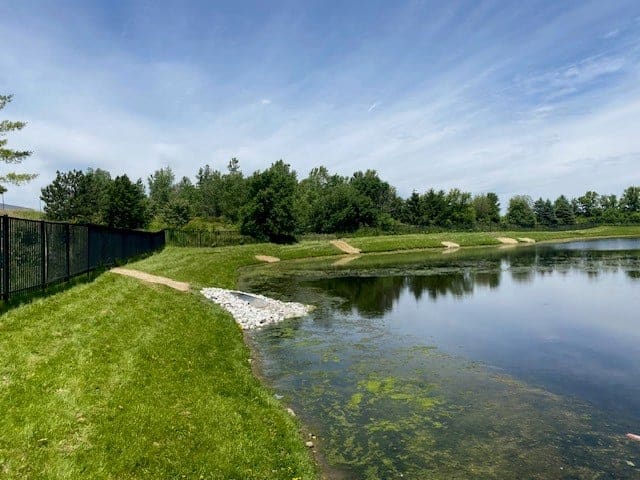
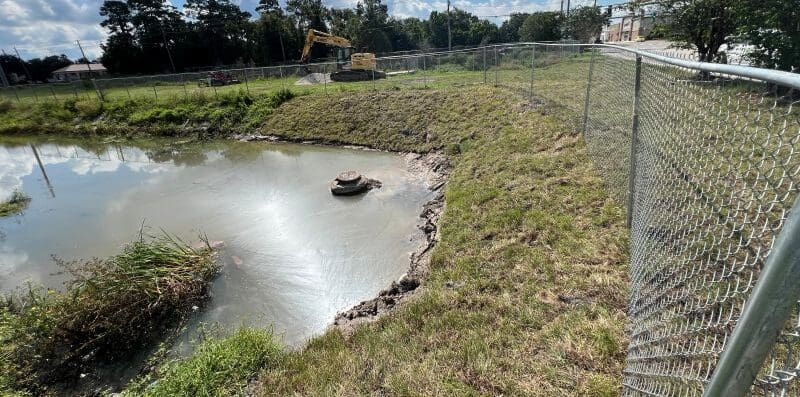
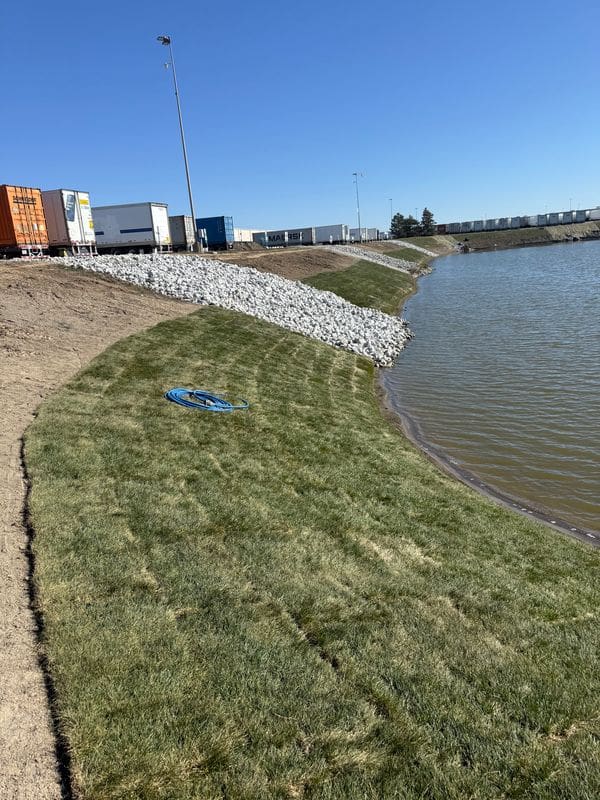
- Maintenance plan for detention basins or retention ponds. For each stormwater management pond or basin submit, at a minimum, an inspection and maintenance plan for the pond’s embankments, outlet structure, and emergency spillway. Include as part of this plan provisions for the removal and disposal of accumulated sediments in the pond and the control of woody vegetation on the pond’s embankments.
- Maintenance plan for infiltration structures. For each infiltration structure, submit, at a minimum, an inspection and maintenance plan for the structure’s pretreatment measures, embankments, surface lining, and overflow spillway. Include as part of this plan provisions for the removal and disposal of accumulated sediments in the structure and for the rehabilitation of clogged surface linings.
- Maintenance plan for underdrained filters. For each underdrained filter, submit, at a minimum, an inspection and maintenance plan for the filter embankments, vegetation, underdrain piping, and overflow spillway. Include as part of this plan provisions for the removal and disposal of accumulated sediments in the structure, the rehabilitation of clogged surface linings, and the flushing of underdrain piping.
- Maintenance plan for stormwater buffers. At a minimum, submit a plan for inspecting and maintaining the integrity and function of the project’s stormwater buffers. As part of this plan, include provisions for the inspection, maintenance, and, if necessary, reconstruction of any level spreaders or ditch turnouts used to spread runoff into the buffers. Include as part of this plan provisions for the frequent removal and disposal of accumulated sediments and debris in the level spreader and turnout bays, provisions for the inspection and repair of any eroded areas within the buffer, and provisions for the reestablishment of buffer vegetation destroyed by post-construction activities.
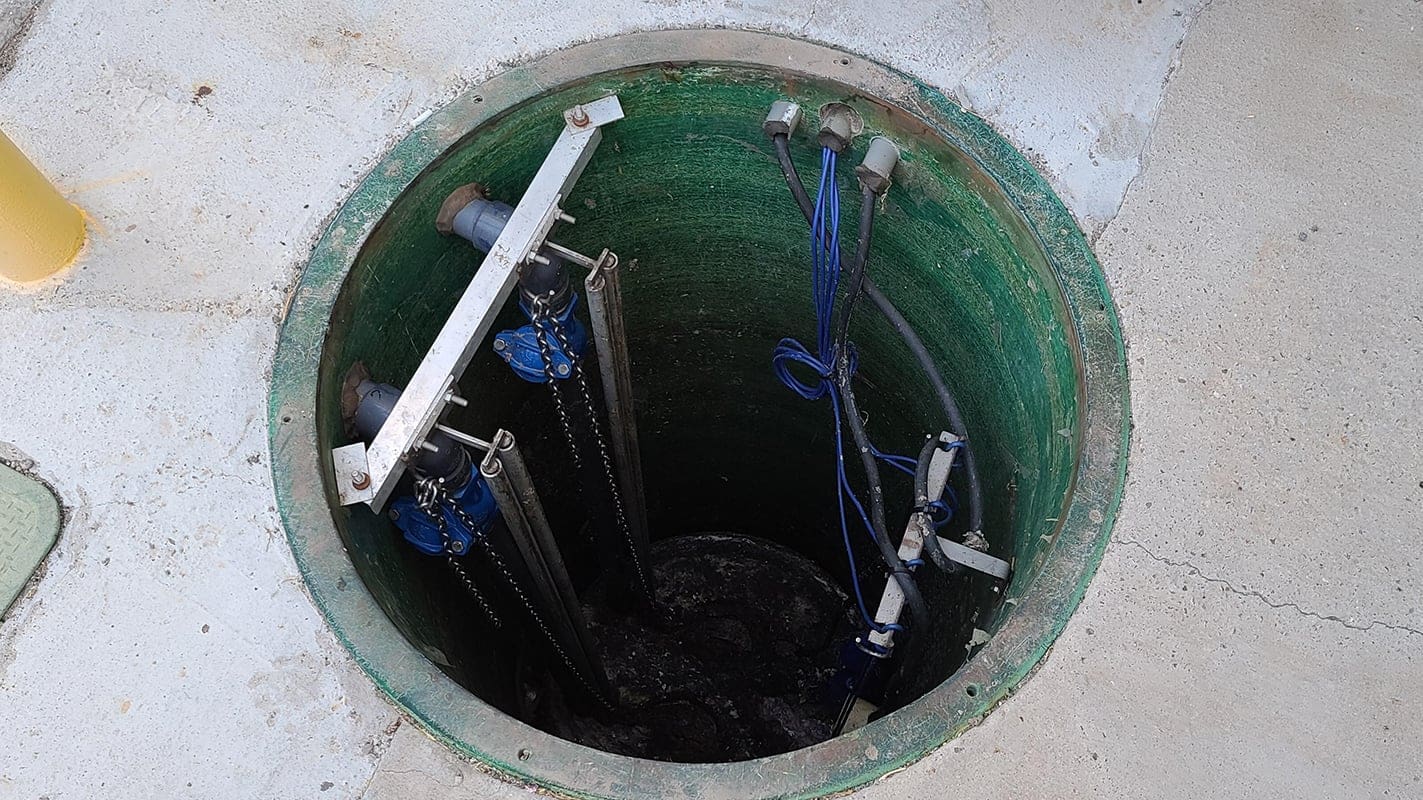
- Maintenance plan for manufactured stormwater treatment systems. For each manufactured system installed on the site, submit an inspection and maintenance plan for the system’s inlet, treatment chamber(s), and outlet. The plan shall conform to the inspection and maintenance guidelines recommended by the manufacturer based on the estimated runoff and pollutant load expected to the system from the project. As part of this plan, include provisions for the frequent removal of accumulated sediments, debris, and contaminated waters from the system and, if applicable, provisions for the removal, disposal, and replacement of any clogged or spent filter media.
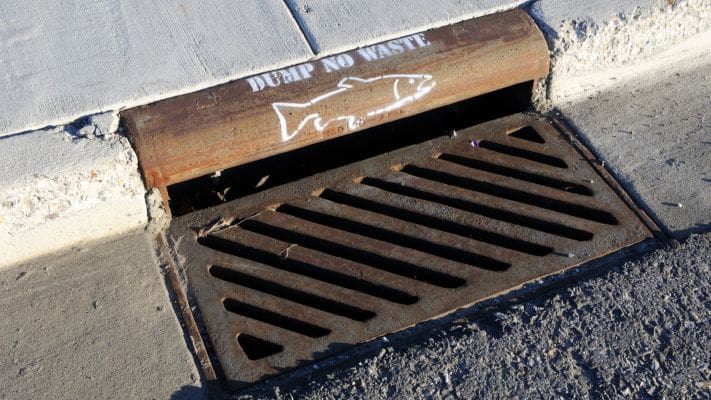
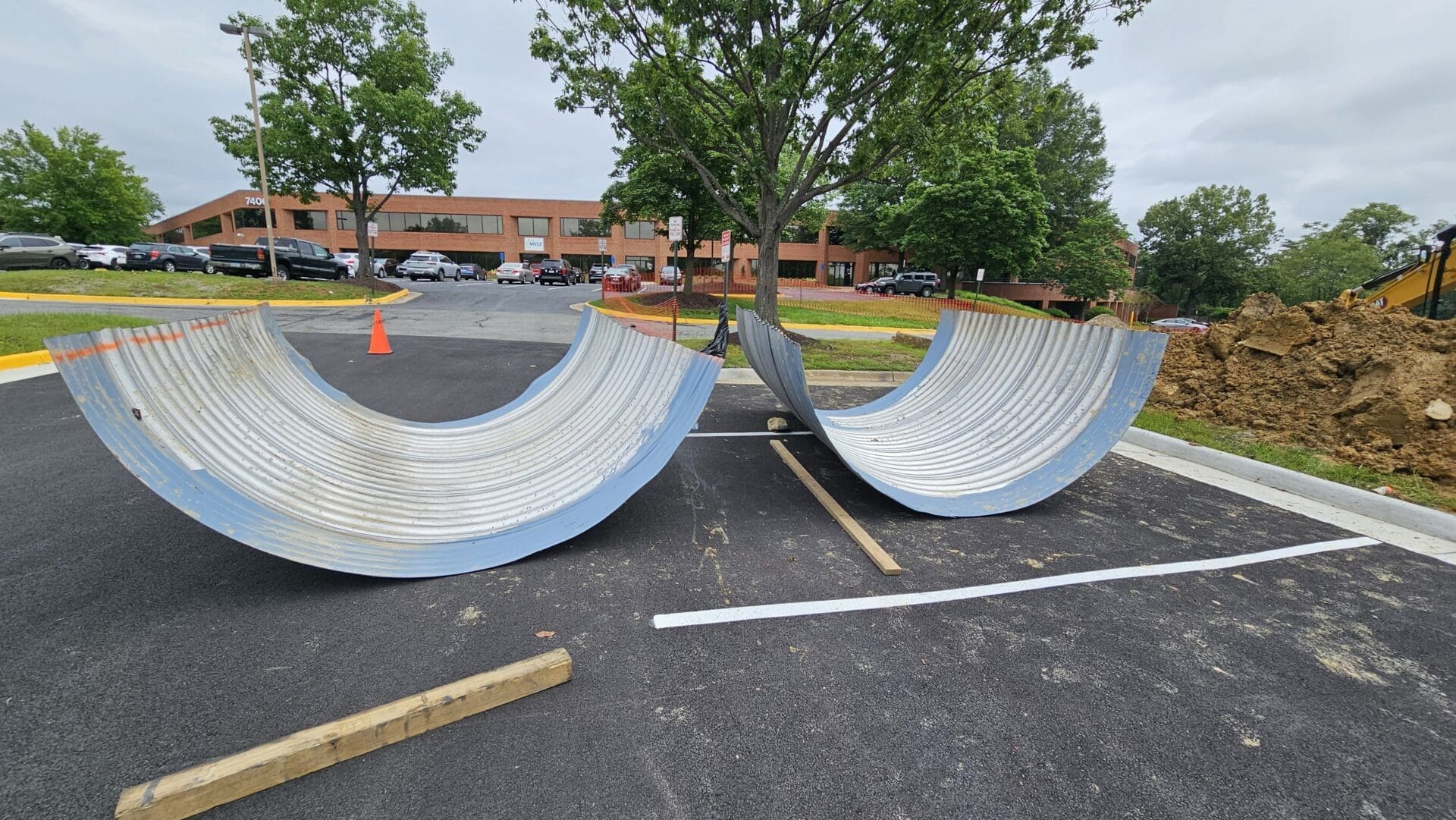
- Maintenance plan for ditches, culverts, and storm drains. Provide an inspection and maintenance plan for all stormwater conveyances to be built or installed on the site – including, but not limited to, ditches, swales, culverts, catch basins, and storm drain piping. As part of this plan, include provisions for the repair of eroded areas at the inlet, within, and at the outlet of each conveyance and include provisions for the frequent removal and disposal of accumulated sediments and debris at the inlet, within, and at the outlet of each conveyance.
(3) Housekeeping. Submit a plan to address spill prevention, groundwater protection, fugitive sediment and dust, debris and other materials, trench or foundation de-watering, or non-stormwater charges, as applicable to the specific site. Housekeeping requirements are described in Appendix C of this chapter.
Lorem ipsum dolor sit amet
Nullam quis imperdiet augue. Vestibulum auctor ornare leo, non suscipit magna interdum eu. Curabitur pellentesque nibh nibh.
Post-construction.
The following standards must be met after construction
(a) Plan.
Carry out an approved inspection and maintenance plan that is consistent with the minimum requirements of this section. The plan must address inspection and maintenance of the project’s permanent erosion control measures and stormwater management system. This plan may be combined with the plan listed in Section 2(a) of this appendix. See Section 8(C) (2) for submission requirements.
(b) Inspection and corrective action.
All measures must be maintained in effective operating condition. A person with knowledge of erosion and stormwater control, including the standards and conditions in the permit, shall conduct the inspections. The following areas, facilities, and measures must be inspected and identified deficiencies must be corrected. Areas, facilities, and measures other than those listed below may also require inspection on a specific site. Inspection or maintenance tasks other than those discussed below must be included in the maintenance plan developed for a specific site. NOTE: Expanded and more-detailed descriptions for specific maintenance tasks may be found in the Maine DEP’s “Stormwater Management for Maine: Best Management Practices.”
- Inspect vegetated areas, particularly slopes and embankments, early in the growing season or after heavy rains to identify active or potential erosion problems. Replant bare areas or areas with sparse growth. Where rill erosion is evident, armor the area with an appropriate lining or divert the erosive flows to on-site areas able to withstand the concentrated flows. See permanent stabilization standards in Appendix A (5).
- Inspect ditches, swales and other open stormwater channels in the spring, in late fall, and after heavy rains to remove any obstructions to flow, remove accumulated sediments and debris, to control vegetated growth that could obstruct flow, and to repair any erosion of the ditch lining. Vegetated ditches must be mowed at least annually or otherwise maintained to control the growth of woody vegetation and maintain flow capacity. Any woody vegetation growing through riprap linings must also be removed. Repair any slumping side slopes as soon as practicable. If the ditch has a riprap lining, replace riprap on areas where any underlying filter fabric or underdrain gravel is showing through the stone or where stones have dislodged. The channel must receive adequate routine maintenance to maintain capacity and prevent or correct any erosion of the channel’s bottom or sideslopes.
- Inspect culverts in the spring, in late fall, and after heavy rains to remove any obstructions to flow; remove accumulated sediments and debris at the inlet, at the outlet, and within the conduit; and to repair any erosion damage at the culvert’s inlet and outlet.
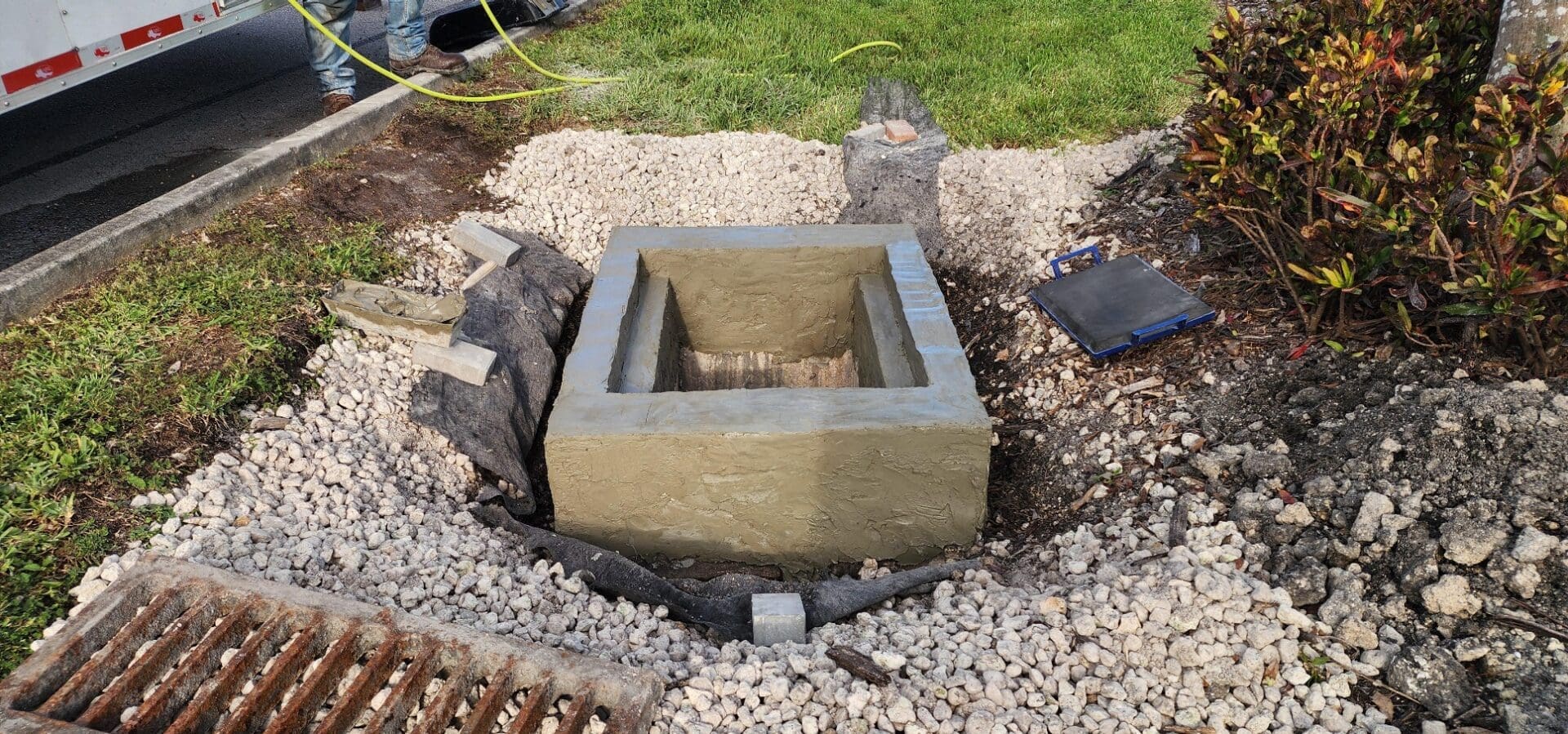
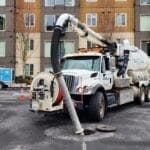
- Inspect and, if required, clean-out catch basins at least once a year, preferably in early spring. Clean-out must include the removal and legal disposal of any accumulated sediments and debris at the bottom of the basin, at inlet any grates, at any inflow channels to the basin, and at any pipes between basins. If the basin outlet is designed to trap floatable materials, then remove the floating debris and any floating oils (using oil-absorptive pads).
- Inspect resource and treatment buffers at least once a year for evidence of erosion, concentrating flow, and encroachment by development. If flows are concentrating within a buffer, site grading, level spreaders, or ditch turn-outs must be used to ensure a more even distribution of flow into a buffer. Check down slope of all spreaders and turn-outs for erosion. If erosion is present, adjust or modify the spreader’s or turnout’s lip to ensure a better distribution of flow into a buffer. Clean-out any accumulation of sediment within the spreader bays or turn-out pools.
(c) Regular maintenance
- Clear accumulations of winter sand in parking lots and along roadways at least once a year, preferably in the spring. Accumulations on pavement may be removed by pavement sweeping. Accumulations of sand along road shoulders may be removed by grading excess sand to the pavement edge and removing it manually or by a front-end loader. Grading of gravel roads, or grading of the gravel shoulders of gravel or paved roads, must be routinely performed to ensure that stormwater drains immediately off the road surface to adjacent buffer areas or stable ditches, and is not impeded by accumulations of graded material on the road shoulder or by excavation of false ditches in the shoulder. If water bars or open-top culverts are used to divert runoff from road surfaces, clean-out any sediments within or at the outlet of these structures to restore their function.
- Manage each buffer’s vegetation consistently with the requirements in any deed restrictions for the buffer. Wooded buffers must remain fully wooded and have no disturbance to the duff layer. Vegetation in non-wooded buffers may not be cut more than three times per year, and may not be cut shorter than six inches.
(d) Documentation
Keep a log (report) summarizing inspections, maintenance, and any corrective actions taken. The log must include the date on which each inspection or maintenance task was performed, a description of the inspection findings or maintenance completed, and the name of the inspector or maintenance personnel performing the task. If a maintenance task requires the clean-out of any sediments or debris, indicate where the sediment and debris was disposed after removal.
The log must be made accessible to department staff and a copy provided to the department upon request. The permittee shall retain a copy of the log for a period of at least three years from the completion of permanent stabilization.
3. Maintenance contract.
Contract with a third-party or other qualified professional, as approved by the department, for the removal of accumulated sediments, oils, and debris within any proprietary devices and the replacement of any absorptive filters. The frequency of sediment clean-out and filter replacements must be consistent with the unit’s storage capacity and the estimated pollutant load from the contributing drainage area. This clean-out frequency is usually established by the manufacturer of the proprietary system when sizing the device for the project.
4. Re-certification
Submit a certification of the following to the department within three months of the expiration of each five-year interval from the date of issuance of the permit.
- Identification and repair of erosion problems. All areas of the project site have been inspected for areas of erosion, and appropriate steps have been taken to permanently stabilize these areas.
- Inspection and repair of stormwater control system. All aspects of the stormwater control system have been inspected for damage, wear, and malfunction, and appropriate steps have been taken to repair or replace the system, or portions of the system.
- Maintenance. The erosion and stormwater maintenance plan for the site is being implemented as written, or modifications to the plan have been submitted to and approved by the department, and the maintenance log is being maintained. Municipalities with separate storm sewer systems regulated under the Maine Pollutant Discharge Elimination System (MPDES) Program may report on all regulated systems under their control as part of their required annual reporting in lieu of separate certification of each system. Municipalities not regulated by MPDES, but that are responsible for maintenance of permitted stormwater systems, may report on multiple stormwater systems in one report.
5. Duration of maintenance
Perform maintenance as described and required in the permit unless and until the system is formally accepted by the municipality or quasi-municipal district, or is placed under the jurisdiction of a legally created association that will be responsible for the maintenance of the system. If a municipality or quasi-municipal district chooses to accept a stormwater management system, or a component of a stormwater system, it must provide a letter to the department stating that it assumes responsibility for the system. The letter must specify the components of the system for which the municipality or district will assume responsibility, and that the municipality or district agrees to maintain those components of the system in compliance with department standards. Upon such assumption of responsibility, and approval by the department, the municipality, quasi-municipal district, or association becomes a co-permittee for this purpose only and must comply with all terms and conditions of the permit.
6. Additional requirements
Additional requirements may be applied on a site-specific basis.
Portland City Code of Ordinances, Ch. 32 Stormwater
ARTICLE III. POST-CONSTRUCTION STORMWATER MANAGEMENT.
Sec. 32-36. Applicability.
This article applies to all development projects that require a stormwater management plan pursuant to section V of the department of planning and urban development’s Technical and Design Standards and Guidelines.
(Ord. No. 35-09/10, 8-17-09)
Sec. 32-37. Post-construction stormwater management plan approval.
Notwithstanding any ordinance provision to the contrary, no applicant for a development project to which this article is applicable shall receive approval for that development project unless the applicant also receives approval for its post-construction stormwater management plan and for the best management practices (“BMPs”) for that development project.
Sec. 32-38. Post-construction stormwater management plan compliance.
Any person owning, operating, or otherwise having control over a BMP required by a post construction stormwater management plan shall maintain the BMPs in accordance with the approved plan and shall demonstrate compliance with that plan as follows:
(a) Inspections. The owner or operator of a BMP shall hire a qualified post-construction stormwater inspector to at least annually, inspect the BMPs, including but not limited to any parking areas, catch basins, drainage swales, detention basins and ponds, pipes and related structures, in accordance with all municipal and state inspection, cleaning and maintenance requirements of the approved post-construction stormwater management plan.
(b) Maintenance and repair. If the BMP requires maintenance, repair or replacement to function as intended by the approved post-construction stormwater management plan, the owner or operator of the BMP shall take corrective action(s) to address the deficiency or deficiencies as soon as possible after the deficiency is discovered and shall provide a record of the deficiency and corrective action(s) to the department of public services (“DPS”) in the annual report.
(c) Annual report. The owner or operator of a BMP or a qualified post-construction stormwater inspector hired by that person, shall, on or by June 30 of each year, provide a completed and signed certification to DPS in a form provided by DPS, certifying that the person has inspected the BMP(s) and that the yare adequately maintained and functioning as intended by the approved post-construction stormwater management plan, or that they require maintenance or repair, including the record of the deficiency and corrective action(s) taken.
(d) Filing fee. Any persons required to file and annual certification under this section shall include with the annual certification a filing fee established by DPS to pay the administrative and technical costs of review of the annual certification.
(e) Right of entry. In order to determine compliance with this article and with the post-construction stormwater management plan, DPS may enter upon property at reasonable hours with the consent of the owner, occupant or agent to inspect the BMPs.
(Ord. No. 35-09/10, 8-17-09)
Sec. 32-39. Enforcement.
It shall be unlawful for any person to violate any provision of or to fail to comply with any of the requirements of this article or of the post-construction stormwater management plan. Whenever the enforcement authority believes that a person has violated this article, DPS may enforce this article in accordance with 30-A M.R.S.A. § 4452. Each day on which a violation exists shall constitute a separate violation for purposes of this section.
(a) Notice of violation. Whenever DPS believes that a person has violated this article or the post-construction stormwater management plan, DPS may order compliance by written notice of violation to that person indicating the nature of the violation and ordering eh action necessary to correct it, including, without limitation:
(1) The abatement of violations, and the cessation of practices or operations in violation of this article or of the post-construction stormwater management plan;
(2) At the person’s expense, compliance with BMPs required as a condition of approval of the development project, the repair of BMPs and/or the restoration of any affected property; and/or
(3) The payment of fines, of the City’s remediation costs and of the City’s reasonable administrative costs and attorneys’ fees and costs.
(4) If abatement of a violation, compliance with BMPs, repair of BMPs and/or restoration of affected property is required, the notice shall set forth a deadline within which such abatement, compliance, repair and/or restoration must be completed.
(b) Penalties/fines/injunctive relief. In addition to the imposition of any other costs or penalties provided for herein, any person who violates this section shall be subject to fines, penalties and orders for injunctive relief and shall be responsible for the city’s attorney’s fees and costs, all in accordance with 30-A M.R.S.A. § 4452. Each day such violation continues shall constitute a separate violation. Moreover, any person who violates this section also shall be responsible for any and all fines, penalties, damages and costs, including, but not limited to attorneys’ fees and costs, incurred by the city for violation of federal and state environmental laws and regulations caused by or related to that person’s violation of this article; this responsibility shall be in addition to any penalties, fines or injunctive relief imposed under this section.
View State Page
Frequently Asked Questions
What projects trigger stormwater management requirements in Portland?
A project disturbing 1 acre or more must meet the city’s basic standards for erosion control, inspection and maintenance, and housekeeping. Grading or construction on any site disturbing an acre or more also can’t impede drainage ways in a way that unreasonably harms a protected natural resource. Some smaller projects qualify for a simplified stormwater permit by rule if they fall under specific impervious area thresholds, depending on whether the site drains to a lake most at risk, an urban impaired stream, or another type of watershed.
Who can prepare a stormwater inspection and maintenance plan in Portland?
For projects that don’t qualify for the simplified permit by rule, the erosion and sedimentation control plan or inspection and maintenance plan must be prepared by a professional engineer registered in Maine or a certified erosion and sedimentation control professional. The plan needs to name specific responsible parties, list every measure requiring upkeep, and set the required frequency for each task.
What has to be included in a Portland stormwater maintenance plan?
The plan must list every erosion control and stormwater measure to be inspected, the specific maintenance tasks for each, required frequency, and the qualifications of whoever performs the work. It also needs contact information for the responsible party and the original design professionals. Ponds, infiltration structures, filters, buffers, manufactured treatment systems, and conveyances like ditches and storm drains each require their own maintenance provisions covering sediment removal, vegetation control, and structural repair.
How often do stormwater facilities need inspection in Portland, and what's required at each check?
Requirements vary by facility type. Vegetated areas and ditches need inspection in spring, late fall, and after heavy rains. Culverts follow the same schedule. Catch basins must be inspected and cleaned out at least once a year, ideally in early spring, including removal of any floating debris or oils. Resource and treatment buffers need at least one annual inspection for erosion or encroachment. Property owners must also keep an inspection and maintenance log for at least three years after permanent stabilization is complete.
What is the five-year recertification requirement for Portland stormwater systems?
Property owners must submit certification to the department within three months of each five-year interval from their permit’s issuance date, confirming that erosion problems have been identified and repaired, that the stormwater control system has been inspected for damage or malfunction and repaired as needed, and that the maintenance plan is being followed with the log kept current.
Who is responsible for stormwater BMP maintenance once construction is complete in Portland?
Anyone owning, operating, or otherwise controlling a BMP required by an approved post-construction stormwater management plan must maintain it according to that plan. They must hire a qualified post-construction stormwater inspector to inspect the BMPs at least annually and take corrective action as soon as a deficiency is discovered.
What is Portland's annual certification requirement, and when is it due?
By June 30 of each year, the BMP owner or operator, or their hired inspector, must submit a signed certification to the Department of Public Services confirming the BMPs are properly maintained and functioning, or documenting any needed repairs and corrective actions taken. The filing must include a fee set by the department to cover administrative and technical review costs.
What happens if a property violates its stormwater management plan in Portland?
The Department of Public Services can issue a written notice of violation ordering the property into compliance, which may require abating the violation, repairing BMPs or restoring affected property at the owner’s expense, and paying fines plus the city’s remediation and administrative costs. Each day a violation continues counts as a separate violation, and violators are also responsible for the city’s attorney’s fees and any costs tied to related federal or state environmental violations.
The information on this page is provided for general informational purposes only and is not legal advice. Regulations change frequently — AQUALIS makes no warranty as to the accuracy or completeness of this content, and any reliance on it is at your own risk. Consult a qualified professional or your local regulatory authority to confirm requirements applicable to your specific property.