

Last Updated 07/21/2026
Excerpt from the City of Lacey Stormwater Facility Maintenance Guide
Maintaining Stormwater Facilities
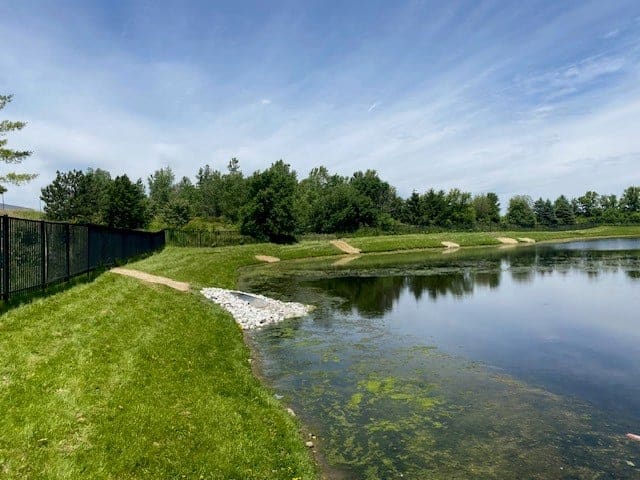
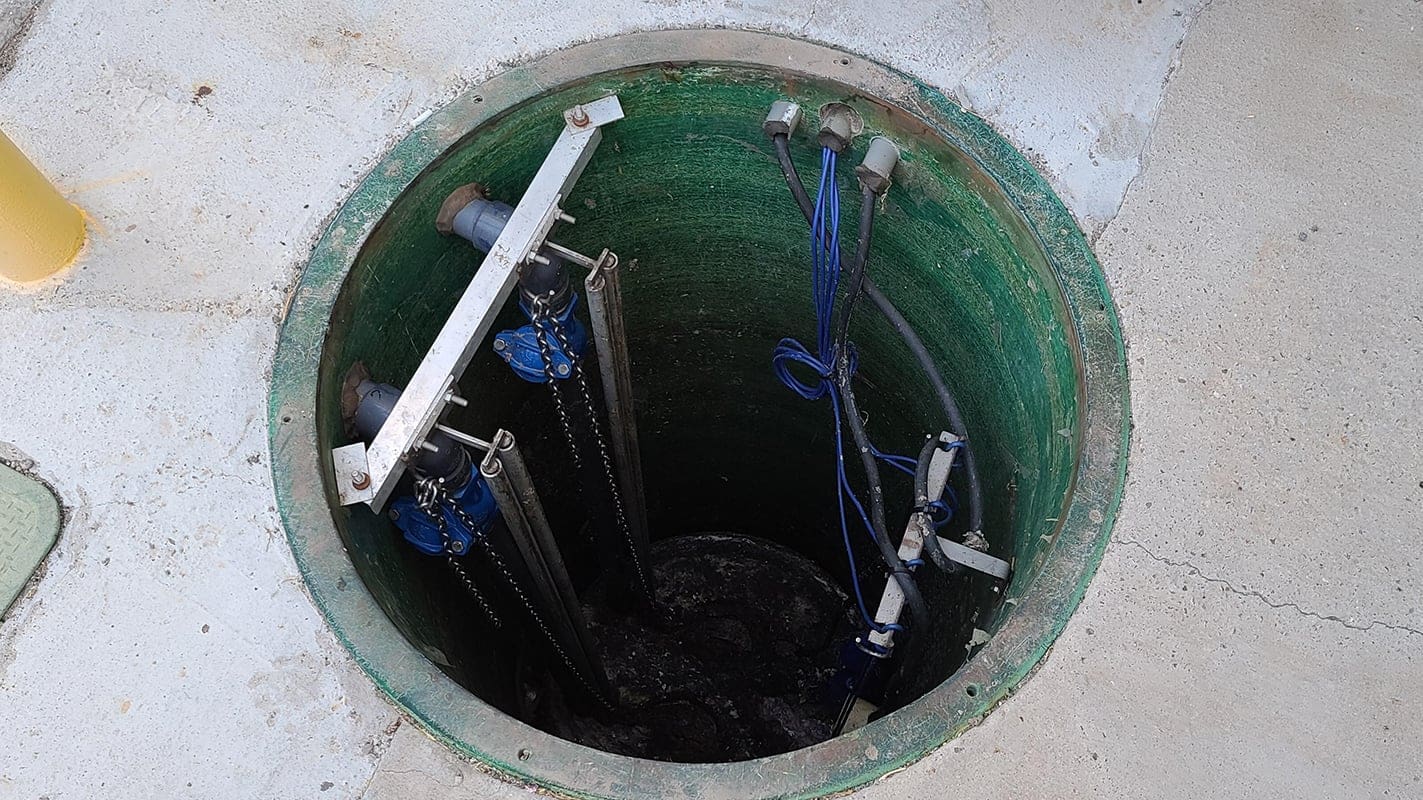
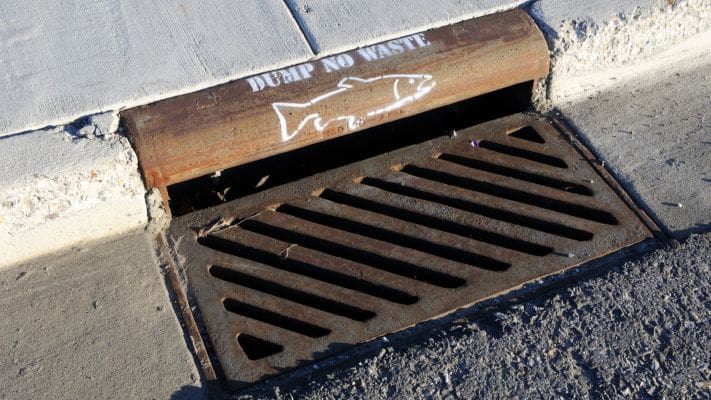
All stormwater facilities need to be maintained. Regular maintenance ensures proper functioning and keeps the facility aesthetically appealing. This Stormwater Facility Maintenance Guide was designed to help explain how stormwater facilities work and provide user-friendly guidance on how to maintain facilities to keep them functional and up to standards. As a facility owner or homeowner’s association, you are responsible for regularly maintaining your privately-owned drainage facilities such as ponds, catch basins and pipes. Local governments maintain stormwater facilities located in public roadways.
Excerpt from City of Lacey Stormwater Design Manual (SDM)
10.3 Stormwater BMP Inspection and Maintenance Procedures
Stormwater BMPs play an important role in managing the 4 feet of rainfall received in Lacey in an average year. The term “stormwater BMP” refers to any landscaped or structural feature that collects, conveys, cleans, or infiltrates runoff water. There are many types of stormwater BMPs, ranging from simple swales and ponds to more complicated filter systems and flow control devices. On-site stormwater BMPs work together to control runoff water, reduce flooding, and prevent pollution. Owners of commercial property, multifamily residential property, or single-family residential properties with privately-owned drainage and stormwater BMPs are required by City code to maintain their BMPs to established standards for full functionality (Chapter 14.25 LMC). BMP owners are responsible for performing inspections of stormwater BMPs, and for performing any maintenance identified by the inspections.
View State Page
Frequently Asked Questions
Who is responsible for stormwater maintenance in Lacey?
If your property has privately owned drainage facilities such as ponds, catch basins, or pipes, you are responsible for maintaining them. This applies to commercial property owners, multifamily residential property owners, and single-family homeowners with private drainage infrastructure. Homeowners associations are also responsible for facilities that serve their communities.
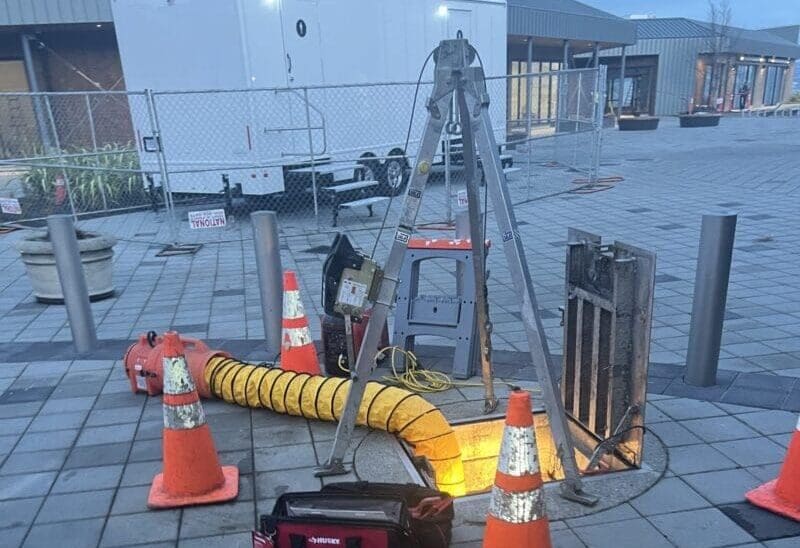
The City only maintains stormwater facilities located in public roadways. Everything on private property is the owner’s obligation under City code. AQUALIS can manage your inspection and maintenance requirements on your behalf.
Why does stormwater maintenance matter for Lacey property owners?
Lacey receives an average of 4 feet of rainfall per year. On-site stormwater BMPs (best management practices) are the primary mechanism for controlling that runoff, reducing flooding, and preventing pollution from reaching local waterways. When those systems are not maintained, they stop working.
City code requires BMP owners to maintain their facilities to established standards for full functionality. The City also has the authority to impose requirements beyond the standard minimums when necessary to protect public safety, prevent flooding or property damage, or address water quality issues. That means a facility that was compliant when it was built may be subject to additional requirements if conditions change.
BMP owners are also responsible for performing their own inspections and for completing any maintenance identified by those inspections. Waiting for the City to flag a problem is not a compliance strategy.
What are the most common stormwater maintenance failures in Lacey?
Based on AQUALIS’s inspection experience and Lacey’s maintenance requirements, these are the issues we see most often.
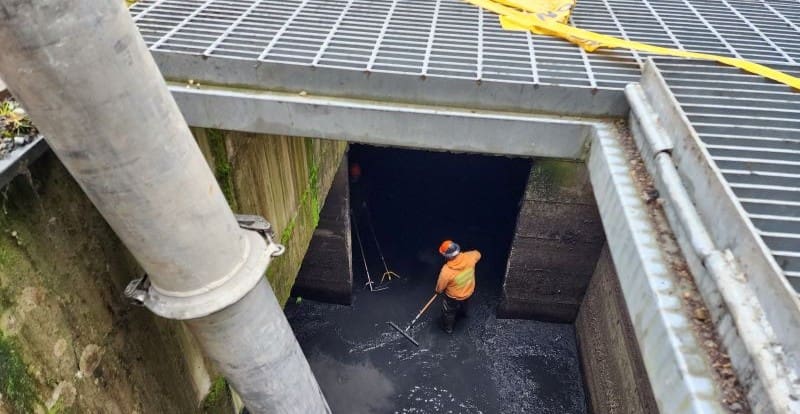
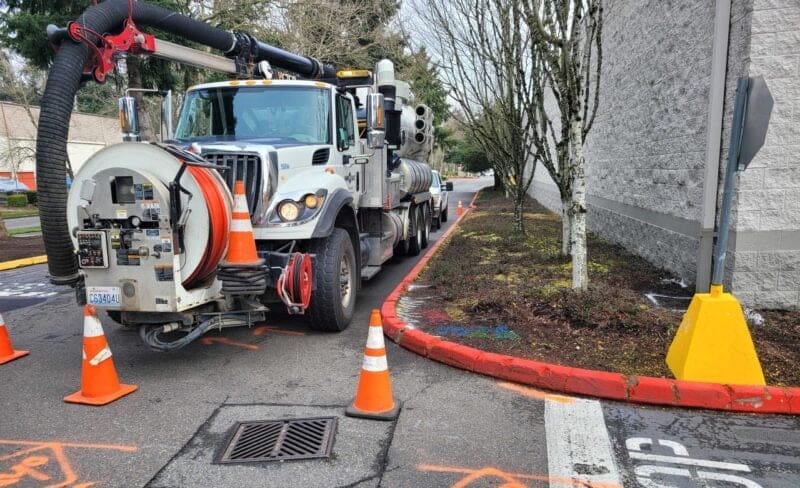
Ponds and catch basins not regularly cleaned. Lacey’s guidance specifically names ponds, catch basins, and pipes as the facilities property owners are responsible for. Sediment buildup and debris accumulation in these structures are the most common findings during inspections.
BMPs not maintained to full functionality. City code requires that stormwater BMPs be maintained to established standards for full functionality, not just partial operation. A pond that is holding water but has lost significant storage capacity due to sediment, or a swale that is partially overgrown, may not meet that standard even if it appears functional.
No owner-performed inspections on record. BMP owners are required to perform their own inspections and act on what those inspections find. Properties with no inspection history have no way to demonstrate they are meeting this obligation.
Facilities not meeting SDM standards after redevelopment nearby. Lacey’s SDM Administrator can impose requirements beyond the standard minimums when upstream development increases runoff or when water quality conditions change. Owners of older facilities may not realize their systems are now expected to perform at a higher standard.
How do I know if my Lacey stormwater system is at risk?
Watch for these warning signs.
Water is not draining after rain. Given Lacey’s high annual rainfall, a system that cannot keep up with normal precipitation events is clearly underperforming. Standing water more than 72 hours after a storm is a sign something needs attention.
Visible deterioration. Sediment buildup in ponds or catch basins, overgrown or failing vegetation in swales and bioretention areas, and clogged pipes or inlets are all signs that maintenance is overdue.
No inspection records on file. You are required to inspect your own BMPs and act on any maintenance identified. If you do not have records of those inspections, you cannot demonstrate compliance.
Recent changes to your property or nearby land use. New development upstream or changes to impervious surfaces in your area can increase the stormwater load on your system. The City has authority to impose additional requirements in response to those changes.
Upcoming sale or change in ownership. Maintenance obligations in Lacey stay with the property. If you are buying or selling, an AQUALIS assessment can confirm the condition of stormwater facilities and any outstanding obligations before the transaction closes.
The information on this page is provided for general informational purposes only and is not legal advice. Regulations change frequently — AQUALIS makes no warranty as to the accuracy or completeness of this content, and any reliance on it is at your own risk. Consult a qualified professional or your local regulatory authority to confirm requirements applicable to your specific property.