

Last Updated 08/12/2026
Excerpt from Grading and Drainage and Stormwater Management Requirements
9.0523 Maintenance and Inspection of Private Stormwater Quality Facilities
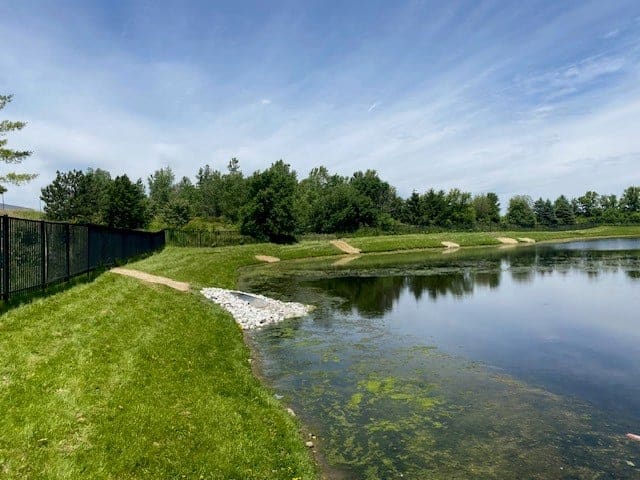
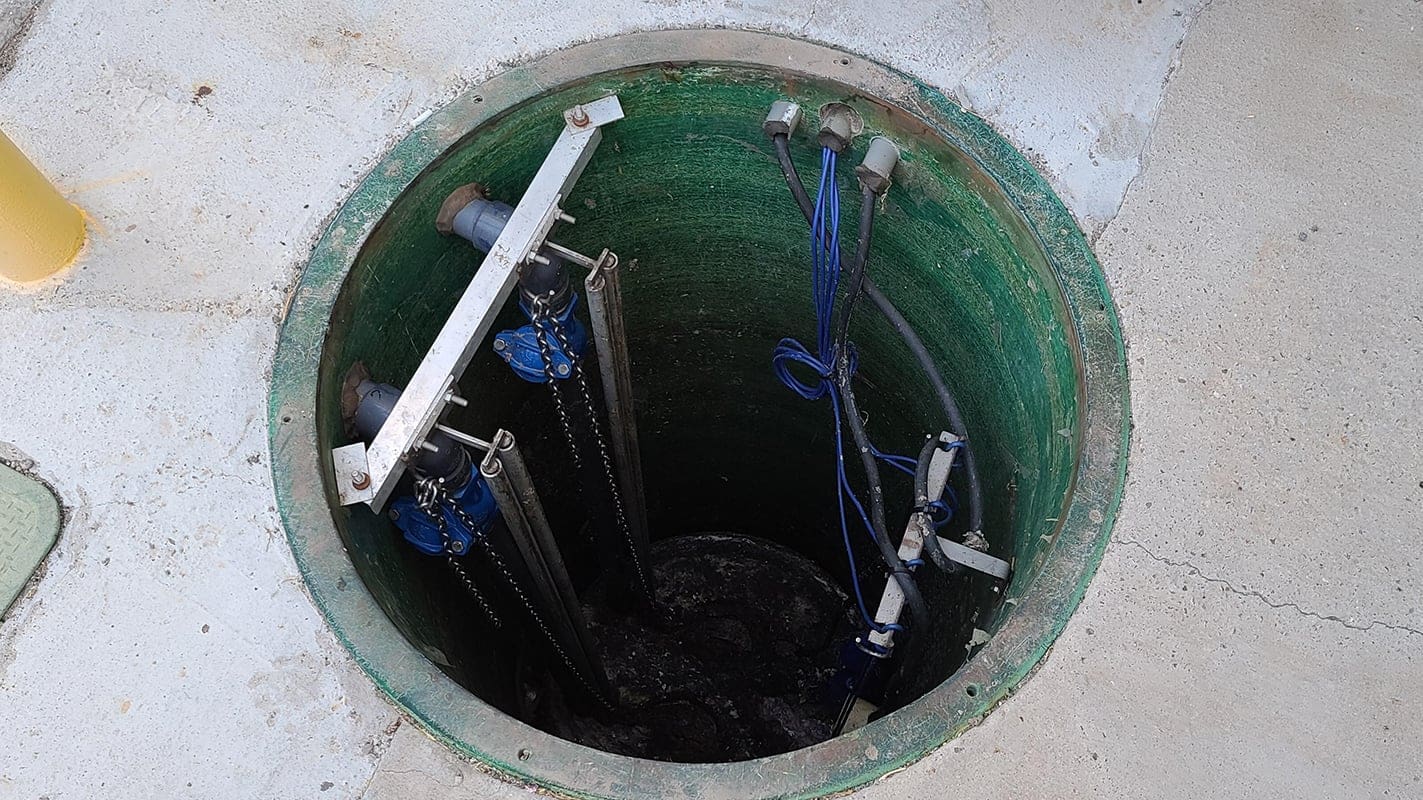
Maintenance of private stormwater quality systems shall be the responsibility of the owner. Maintenance responsibility shall include all elements of the system up to the point of connection with a drainage structure of the public stormwater system. Such connection shall be subject to the City approval. Maintenance requirements are specified in the Stormwater Management Manual or in a recorded maintenance plan, if submitted at the time of project acceptance. Private stormwater quality facilities are subject to periodic inspection by the City to ensure proper maintenance and performance.
Excerpt from Gresham Revised Stormwater Code
3.23.010 Discharge of Pollutants.
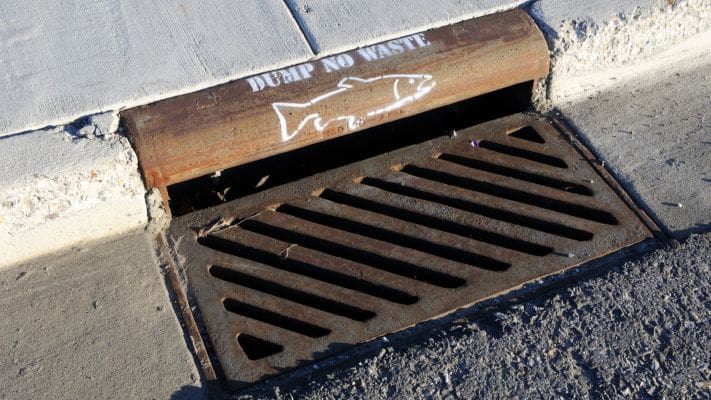
The commencement, conduct, or continuance of any non-stormwater discharge to the public stormwater system is prohibited and is a violation of this article, except as described below.
(1) The prohibition shall not apply to any non-stormwater discharge permitted or approved under an Industrial or Municipal NPDES permit, waiver, or discharge order issued to the discharger and administered by the DEQ, provided that the discharger is in full compliance with all requirements of the permit, waiver, or discharge order and other applicable laws or regulations and provided that written approval has been granted by the city for any discharge to the municipal separate storm wastewater system (MS4).
(a) Except as provided in subsection (3), the prohibition shall not apply to the following non-stormwater discharges to the public stormwater system, as long best management practices are utilized to control or remove pollutants, as applicable: water line/reservoir flushing, fire hydrant flushing, dye testing in accordance with manufacturers recommendations, landscape irrigation, diverted stream flows, rising groundwater, uncontaminated groundwater infiltration (as defined in 40 CFR 35.2005(20)) to the municipal separate storm sewer system (MS4), uncontaminated pumped groundwater, discharges from potable water sources, foundation drains, air conditioning condensation, irrigation water, springs, water from crawl space pumps, footing drains, lawn watering, individual residential car washing, flows from riparian habitats and wetlands, street and pavement wash water, flows from fire-fighting, and treated water from investigation, removal, and remedial actions selected or approved by DEQ pursuant to Oregon Revised Statute (ORS) Chapter 465.
(b) “Street wash water” is defined for purposes of this section to be water that originates from publicly-financed street cleaning activities consistent with the city’s NPDES municipal stormwater permit where BMPs are applied to protect water.
(c) Discharge of flows to the public or private stormwater system from private washing of sidewalks, streets and parking lots are discouraged to the maximum extent practicable.
(3) The manager may require best management practices to reduce pollutants, or may prohibit a specific discharger from engaging in a specific activity identified in subsection (2) if at any time the manager determines that the discharge is, was, or will be a significant source of pollution.
3.23.020 Illicit Connections and Illicit Discharges.
It is prohibited to establish, use, maintain, or continue illicit connections to the public stormwater system, or to commence or continue any illicit discharges to the public stormwater system.
3.24.050 Design and Performance Criteria for Stormwater Detention and Water Quality Treatment Facilities.
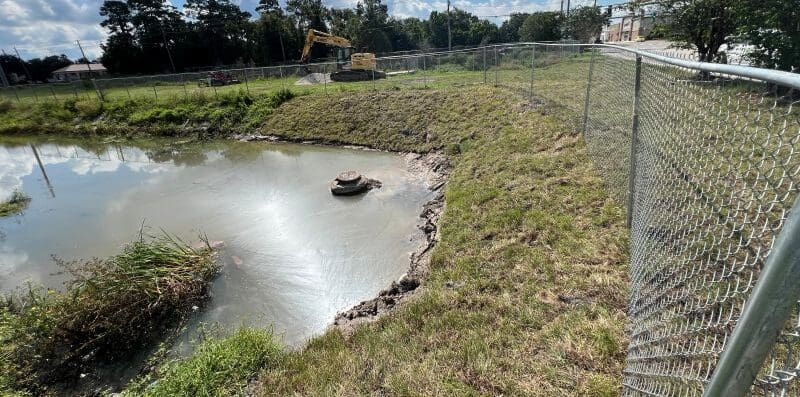
(1) All on-site stormwater management facilities including stormwater detention, retention, and water quality treatment facilities required by the City of Gresham shall be designed and constructed to meet the Stormwater Management Manual and Oregon Plumbing Specialty Code, as applicable. Stormwater facilities that will be publicly maintained shall also meet Public Works Standards
(2) Except as permitted by the manager as provided by the Stormwater Management Manual, facilities designed to manage stormwater from private properties shall not be located on property that is or will become a public right-of-way, public stormwater easement, or is within a future street plan.
(3) Except as permitted by the manager as provided by the Stormwater Management Manual, once constructed, the on-site stormwater management facilities shall be privately owned, operated and maintained. Maintenance shall include all elements of the stormwater detention, water quality treatment, and conveyance system up to the point of connection with a drainage structure or waterway of the public stormwater system. Such connection shall be subject to city approval.
(4) Maintenance is required to be performed following requirements in the Stormwater Management Manual. Stormwater facilities that do not have standard operation and maintenance guidelines included in the Stormwater Management Manual shall be specified in an operation and maintenance plan submitted to and approved by the manager prior to the time of project acceptance. When a specific operation and maintenance plan is required, the developer or applicant shall enter into an agreement with the city to ensure the implementation of the operation and maintenance plan and a memorandum of agreement shall be recorded in the Multnomah County deed records.
(5) Private stormwater detention and water quality treatment facilities are subject to periodic inspection by the city to ensure proper maintenance and performance.
(6) Failure to properly operate or maintain onsite mitigation facilities for stormwater detention, retention, and water quality treatment according to operation and maintenance requirements in the Stormwater Management Manual, a recorded maintenance agreement, or GRC Articles 3.20 to 3.60 is a violation.
Article 3.60 Stormwater User Charge
3.60.015 Stormwater User Charge.
Stormwater customers who use the public stormwater system or who cause or permit the discharge of net stormwater runoff directly or indirectly into the public stormwater system shall pay a stormwater user charge. It is presumed that stormwater services are used whenever the
stormwater customer’s property is an improved property. The State of Oregon is exempt from the stormwater user charge for all highway and road improvements within its rights-of-way. The State shall pay stormwater user charges for all other property it owns within Gresham.
(1) Stormwater user charges shall be established by council resolution.
(2) User charges shall reflect actual costs of operation, maintenance, replacement, and capital improvements needed to serve existing development.
3.60.035 Calculation of Charge
(1) New Development and Existing Improved Properties Other than Single Dwelling Units. Stormwater user charges for all new development and for existing improved properties other than single dwelling units shall be calculated by dividing the impervious area on the stormwater customer’s property by 2500 square feet and multiplying that number by the rate set for one drainage residential unit.
(a) The impervious areas for improved properties, other than for single dwelling units, existing on the effective date of the adoption of this ordinance, have been individually measured through the use of any combination of the following: aerial photographs and computer analysis, actual measurement of impervious area, and calculations from city approved site plans.
(b) For all new development, other than new single dwelling units, the applicant shall calculate the impervious area from city approved site plans. The city shall review and approve the calculations.
(c) For new single dwelling units, instead of measuring actual impervious area, the actual impervious area may be approximated based on the following formula:
(Actual area of the building footprint)(1.3) + 650 square feet = approximate impervious area.
- The approximate impervious area shall be rounded to the nearest 100 square feet for purpose of computing the charge.
- A customer may request to be charged based on actual measured impervious area.
3.60.065 Billing.
(1) The city shall bill user charges on a schedule approved by the manager.
(2) Stormwater user charges may be billed on the same bill with water user charges and wastewater user charges, but shall not be combined.
View State Page
Frequently Asked Questions
Who is responsible for maintaining a private stormwater quality facility in Gresham?
The property owner. Your maintenance responsibility covers every element of the system up to the point where it connects to the public stormwater system, and that connection point requires city approval. Specific maintenance requirements come from the city’s Stormwater Management Manual or from a recorded maintenance plan if one was submitted when your project was accepted. AQUALIS can help property owners in Gresham understand exactly where their maintenance responsibility ends and the city’s begins.
Will the City of Gresham inspect my private stormwater facility after construction?
Yes. Private stormwater quality facilities are subject to periodic inspection by the city to confirm they’re being properly maintained and are performing as designed.
Do I need a formal maintenance agreement for my stormwater facility in Gresham?
It depends on your facility type. If your facility doesn’t already have standard operation and maintenance guidelines in the Stormwater Management Manual, you’ll need a specific operation and maintenance plan approved by the city manager before project acceptance. In that case, you’ll also need to sign an agreement with the city and record a memorandum of agreement in the Multnomah County deed records. AQUALIS can help property owners determine whether their facility needs this additional agreement and put it together correctly.
What happens if I don't maintain my stormwater facility in Gresham?
Failing to properly operate or maintain your onsite stormwater detention, retention, or water quality treatment facilities according to the Stormwater Management Manual, a recorded maintenance agreement, or the city’s stormwater code is treated as a violation.
The information on this page is provided for general informational purposes only and is not legal advice. Regulations change frequently — AQUALIS makes no warranty as to the accuracy or completeness of this content, and any reliance on it is at your own risk. Consult a qualified professional or your local regulatory authority to confirm requirements applicable to your specific property.