
Last Updated 08/13/2026
Private Water Quality Facility Program
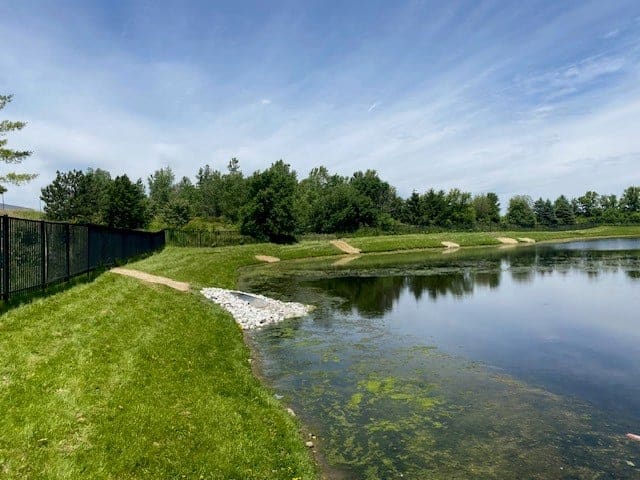
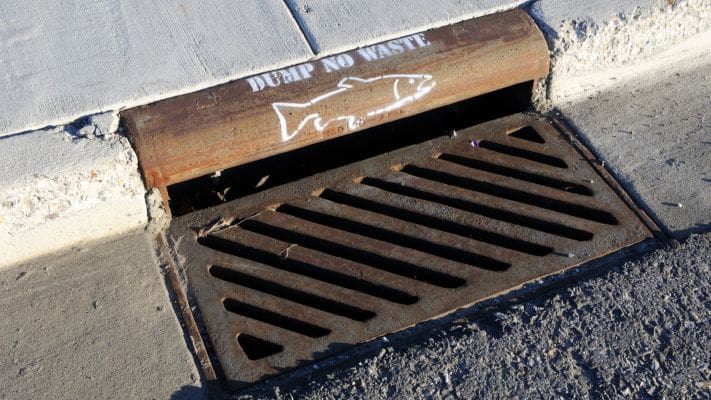
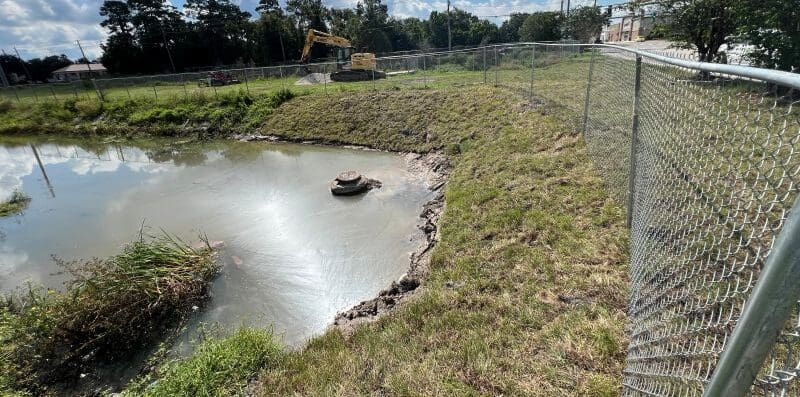
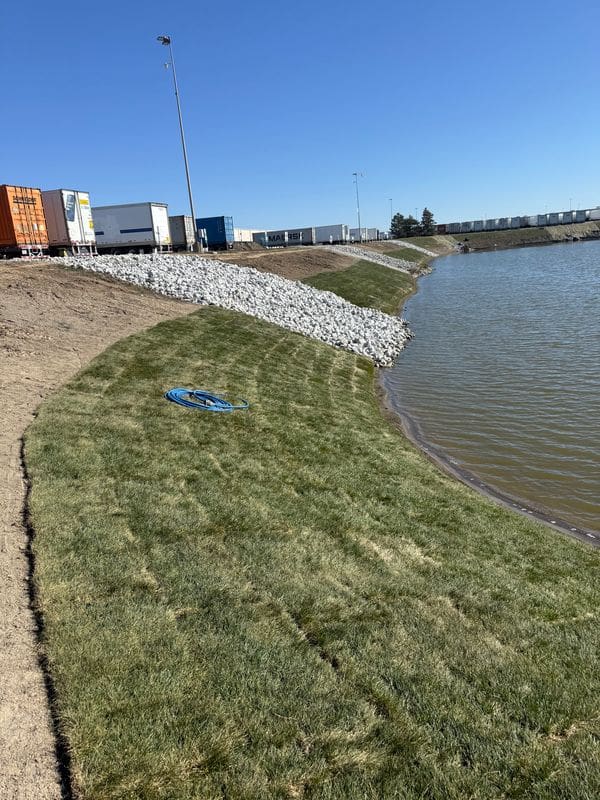
Clean Water Services and its partner cities initiated a program to regularly inspect and support maintenance of privately owned water quality facilities. These facilities are constructed to protect precious water resources by removing pollution from stormwater runoff before it enters local streams and the Tualatin River.
Partner Cities
Our larger partner cities have developed inspection programs that align with the Clean Water Services inspection program. They will conduct inspections and can be used as a resource. If your property is located in one of these cities — Beaverton, Cornelius, Forest Grove, Hillsboro, Sherwood, Tigard, or Tualatin — please contact the appropriate city for questions about your private water quality facility.
If your property is in unincorporated portions of Washington County or in Banks, Gaston, Durham, King City, or North Plains, contact Clean Water Services with questions.
Program Elements
Regulations & Guidance
Clean Water Services and partner cities implemented the private water quality facilities management program under CWS’ Stormwater Management Plan in 2001. The program includes inspection of all residential, commercial, and industrial stormwater water quality facilities maintained by private property owners. The overall goal of the program is to educate property owners about how these facilities function and to ensure that facilities are maintained and operated properly. The following resources are available to assist property owners.
Inspection Guide
The Inspection Guide (PDF, 11MB) is a supplement to Clean Water Services’ Design and Construction Standards and is to be used in conjunction with the Standards and other applicable regulations and local codes. This guide explains the benefits of Low Impact Development Approaches (LIDA), site planning, and the design process. It also includes operation and maintenance plans for each type of facility, and the Private Facility Plant List which can be used as a guide for planting LIDA facilities.
Operation and Maintenance Plans
The Operation and Maintenance (O&M) Plans below guide owners to the appropriate inspection frequency and recommended maintenance tasks for each type of facility. Owners should maintain a log of inspection activities and can use this Inspection Log (PDF) or the O&M Plan.
- Porous Pavement (PDF)
- Green Roof (PDF)
- Infiltration Planter, Rain Garden (PDF)
- Flow-Through Planter (PDF)
- LIDA Swale (PDF)
- Vegetated Filter Strip (PDF)
- Vegetated Swale (PDF)
- Extended Dry Basin (PDF)
- Constructed Water Quality Wetland (PDF)
View State Page
Frequently Asked Questions
Do I need to maintain my stormwater treatment and detention facilities in Gladstone, Oregon?
Yes. All surface drainage facilities, especially stormwater treatment and detention systems, must be maintained regularly, following a schedule the city and owner agree to during project approval. You’ll also need to submit proof of that maintenance to the city annually. AQUALIS can help property owners set up a maintenance schedule and stay current with this yearly proof of maintenance requirement.
Who inspects private water quality facilities in Gladstone?
The City of Gladstone partners with Clean Water Services (CWS) for this program. CWS will visit your facility at least once every four years to inspect it and consult with you about any maintenance needed to correct deficiencies, and will always attempt to notify you before entering your property. Gladstone also sends its own annual notices reminding owners of their obligation to maintain facilities under the city’s stormwater standards.
What is my responsibility as the owner of a private water quality facility in Gladstone?
You’re responsible for inspecting your facility annually and performing the maintenance needed to keep it functioning properly. If CWS sends you a maintenance correction list identifying deficiencies, you’ll need to develop a plan to correct them. AQUALIS can help property owners in Gladstone build that maintenance and correction plan.
What happens if I don't fix deficiencies identified during a private facility inspection in Gladstone?
CWS works with each owner to achieve voluntary compliance first, starting with education on why maintenance matters and how to perform it. If voluntary compliance isn’t reached, an escalating enforcement process can follow. AQUALIS can help property owners resolve deficiencies during that initial voluntary phase to avoid escalation.
Can the City of Gladstone inspect my stormwater facilities after construction?
Yes. Under the NPDES program, the city has the authority to inspect properties for noncompliance and can issue a notice of violation for any deficiency found on-site.
The information on this page is provided for general informational purposes only and is not legal advice. Regulations change frequently — AQUALIS makes no warranty as to the accuracy or completeness of this content, and any reliance on it is at your own risk. Consult a qualified professional or your local regulatory authority to confirm requirements applicable to your specific property.