

Last Updated XX/XX/XXXX
Stormwater Management Ordinance
14-205. Illicit discharges.
Prohibition of illicit discharges
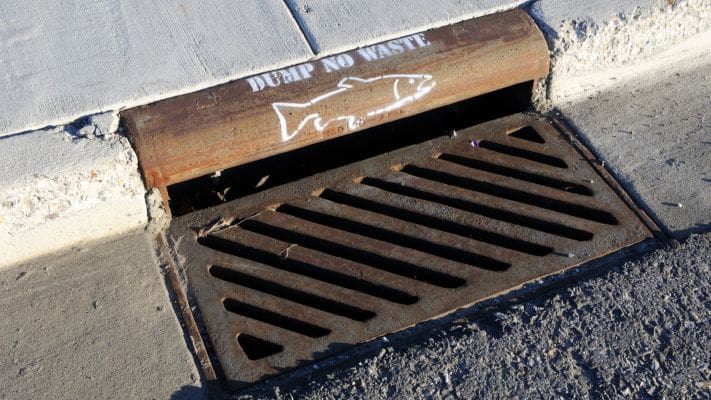
No person shall introduce or cause to be introduced into the MS4 any discharge that is not composed entirely of storm water. The commencement, conduct or continuance of any non-storm water discharge to the MS4 is prohibited. Discharge of storm water in any manner in violation of this chapter; or any violation of any condition of a permit issued pursuant to this chapter; or any violation of any condition of a storm water discharge permit issued by TDEC is hereby declared a public nuisance and shall be corrected or abated.
a. It shall be unlawful for any person to improperly dispose any contaminant into the MS4. Penalties for minor discharges that have no significant adverse impact on safety, health, the welfare of the environment, or the functionality of the MS4 may be waived at the discretion of the Manager. Contaminates include, by way of example but are not limited to, the following:
- i. Trash or debris;
- ii. Construction material;
- iii. Petroleum products including but not limited to oil, gasoline, grease, fuel oil, or hydraulic fluids;
- iv. Antifreeze and other automotive products;
- v. Metals in either particulate or dissolved form;
- vi. Flammable or explosive materials;
- vii. Radioactive materials;
- viii. Batteries including but not limited to, lead acid automobile batteries, alkaline batteries, lithium batteries, or mercury batteries;
- ix. Acids, alkalis, or bases;
- x. Paints, stains, resins, lacquers, or varnishes;
- xi. Degreasers and/or solvents;
- xii. Drain cleaners;
- xiii. Pesticides, herbicides, or fertilizers;
- xiv. Steam cleaning wastes;
- xv. Soaps, detergents, or ammonia;
- xvi. Swimming pool backwash including chlorinated swimming pool discharge.
- xvii. Chlorine, bromine, and other disinfectants;
- xviii. Heated water;
- xix. Animal waste from commercial animal or feeder lot operations;
- xx. Any industrial and sanitary wastewater, including leaking sewers or connections;
- xxi. Recreational vehicle waste including grey water;
- xxii. Animal carcasses;
- xxiii. Food wastes;
- xxiv. Medical wastes;
- xxv. Collected lawn clippings, leaves, branches, bark, and other fibrous materials;
- xxvi. Collected silt, sediment, or gravel;
- xxvii. Dyes, except as stated in §14-205(2)(b).
- xxviii. Chemicals not normally found in uncontaminated water;
- xxix. Any hazardous material or waste, not listed above.
- xxx. Washing of fresh concrete for cleaning and/or finishing purposes or to expose aggregates;
- xxxi. Junk motor vehicles as defined in §14-205(2)(c);
- xxxii. Liquid from solid waste disposal containers;
- xxxiii. Domestic animal waste.
b. Dye testing is permitted but requires verbal notification to the Manager a minimum of twenty-four (24) hours prior to the date of the test. The City of Memphis, Shelby County and City of Bartlett governmental agencies are exempt from this requirement.
c. Junk motor vehicle means any vehicle which shall include by way of example but not be limited to the following vehicle types: automobiles, construction equipment, motorcycles, and trucks, which meet all of the following requirements:
- i. Is three(3) years old or older;
- ii. Is extensively damaged, such damage including but not limited to any of the following: A broken window or windshield or missing wheels, engine or transmission;
- iii. Is apparently inoperable;
- iv. Is without a valid current registration;
- v. Has a fair market value equivalent only to the value of the scrap in it.
Allowable discharges
The following types of uncontaminated discharges shall not be considered prohibited discharges for the purpose of this chapter unless the Manager determined that the type or quantity of discharge, whether singly or in combination with others, is causing significant contamination of the MS4.
a. Potable water and potable water line flushing;
b. Air conditioning condensation;
c. Water from crawl space pumps or footing drains;
d. Landscape irrigation or lawn watering;
e. Non-commercial car and boat washing;
f. De-chlorinated swimming pool water;
g. Materials placed as part of an approved habitat restoration or bank stabilization project;
h. Rising ground waters, ground water infiltration, pumped ground water, springs, diverted stream flows, and flows from riparian habitats and wetlands;
i. Discharges within the constraints of the TNCGP or any other permit issued by TDEC;
j. Discharges from emergency firefighting activities and exercises (a storm water pollution prevention plan should be prepared to address discharges or flows from firefighting only where such discharges are identified as significant sources of pollutants to waters of the United States);
k. Common practices for water well disinfections;
l. Unless otherwise prohibited by this chapter, any discharge that could be made directly to waters of the state without a federal or state permit being required; and
m. Other types of discharges as determined by the Manager.
Prohibition of illicit connections
Any connection, existing or future, identified by the Manager as that which could convey anything not composed entirely of storm water, with the exception of connections of allowable discharges in §14-205(3) and connections conveying discharges pursuant to a NPDES permit (other than an NPDES storm water permit), directly to the MS4 is considered an illicit connection of which the construction, use, maintenance or continued existence is prohibited. Existing illicit connections shall be stopped at the owner’s expense.
Reduction of storm water pollutants by use of BMPs
Any person responsible for a property or premises which is or may be the source of an illicit discharge, may be required to implement, at that person’s expense, the BMPs necessary to prevent further discharge of pollutants to the MS4. Compliance with all terms and conditions of a valid NPDES permit authorizing the discharge of storm water from an industrial activity, to the extent practicable, shall be deemed in compliance with the provisions of this section.
Illegal dumping
No person shall dump or otherwise deposit outside an authorized landfill, convenience center or other authorized garbage or trash collection point, any trash or garbage of any kind or description on any private or public property, occupied or unoccupied, inside the City.
14-207. Operation, maintenance and inspection of permanent storm water management facilities.
As-built plans
All operators shall submit as-built plans for all permanent storm water management structures after final construction is completed to the City’s Department of Engineering and Utilities. The plans must show the final flow line elevations, slopes, locations and/or design specifications for all storm water management facilities, as applicable for the facility, and must bear the seal of a registered professional engineer licensed to practice in the State of Tennessee. The registered professional shall certify that the facilities have been constructed in substantial and essential conformance to the design plan. The Director is hereby empowered to retain or cause to be retained bonds, letters of credits, withholding of use and occupancy permits or other sureties as the Director deems appropriate until proper as-built plans have been delivered.
Erosion control phasing plan and stabilization requirements
Any area of land from which the natural vegetative cover has been either partially or wholly cleared by a construction activity shall be stabilized. Stabilization measures shall be initiated as soon as possible in portions of the site where construction activities have temporarily or permanently ceased.
a. Temporary or permanent soil stabilization at the construction site (or a phase of the project) must be completed not later than 15 days after the construction activity in that portion of the site has temporarily or permanently ceased. Natural or created slopes three to one (3 to 1) or steeper shall be temporarily stabilized not later than seven (7) days after construction activity on the slope has temporarily or permanently ceased. In the following situations, temporary stabilization measures are not required:
i. where the initiation of stabilization measures is precluded by snow cover or frozen ground conditions or adverse soggy ground conditions, stabilization measures shall be initiated as soon as practicable; or
ii. where construction activity on a portion of the site is temporarily ceased, and earth disturbing activities will be resumed within 15 days or seven (7) days for slopes three to one (3 to 1) or steeper.
b. Permanent stabilization with perennial vegetation (using native herbaceous and woody plants where practicable) or other permanently stable, non-eroding surface shall replace any temporary measures as soon as practicable. The City’s Standard Specifications contains grass seed mix and planting schedules. Unpacked gravel containing fines (silt and clay sized particles) or crusher runs will not be considered a non-eroding surface. Slopes three to one (3 to1) or steeper shall be solid sodded.
c. The following criteria shall apply to re-vegetation efforts:
i. Reseeding must be done with an annual or perennial cover crop accompanied by placement of straw mulch or its equivalent of sufficient coverage to control erosion until such time as the cover crop is established over ninety percent (90%) of the seeded area.
ii. Replanting with native woody and herbaceous vegetation must be accompanied by placement of straw mulch or its equivalent of sufficient coverage to control erosion until the plantings are established and are capable of controlling erosion.
iii. Any area of re-vegetation must exhibit survival of a minimum of seventy-five percent (75%) of the cover crop throughout the year immediately following re-vegetation. Re-vegetation must be repeated in successive years until the minimum seventy-five percent (75%) survival for one (1) year is achieved.
Inspection of storm water management facilities
Periodic inspections of facilities shall be performed, documented, and reported in accordance with this chapter, as detailed in §14-208.
Records of installation and maintenance activities
Parties responsible for the operation and maintenance of a storm water management facility shall make records of the installation of the storm water facility and of all maintenance and repairs to the facility, and shall retain the records for at least three (3) years. These records shall be made available to the City during inspection of the facility and at other reasonable times upon request.
Infrastructure maintenance
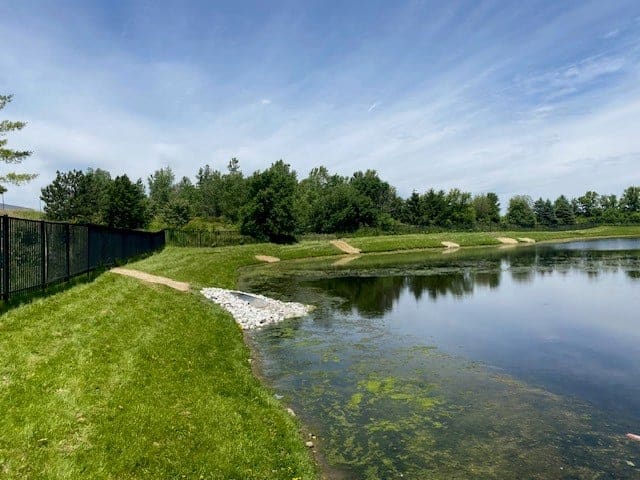
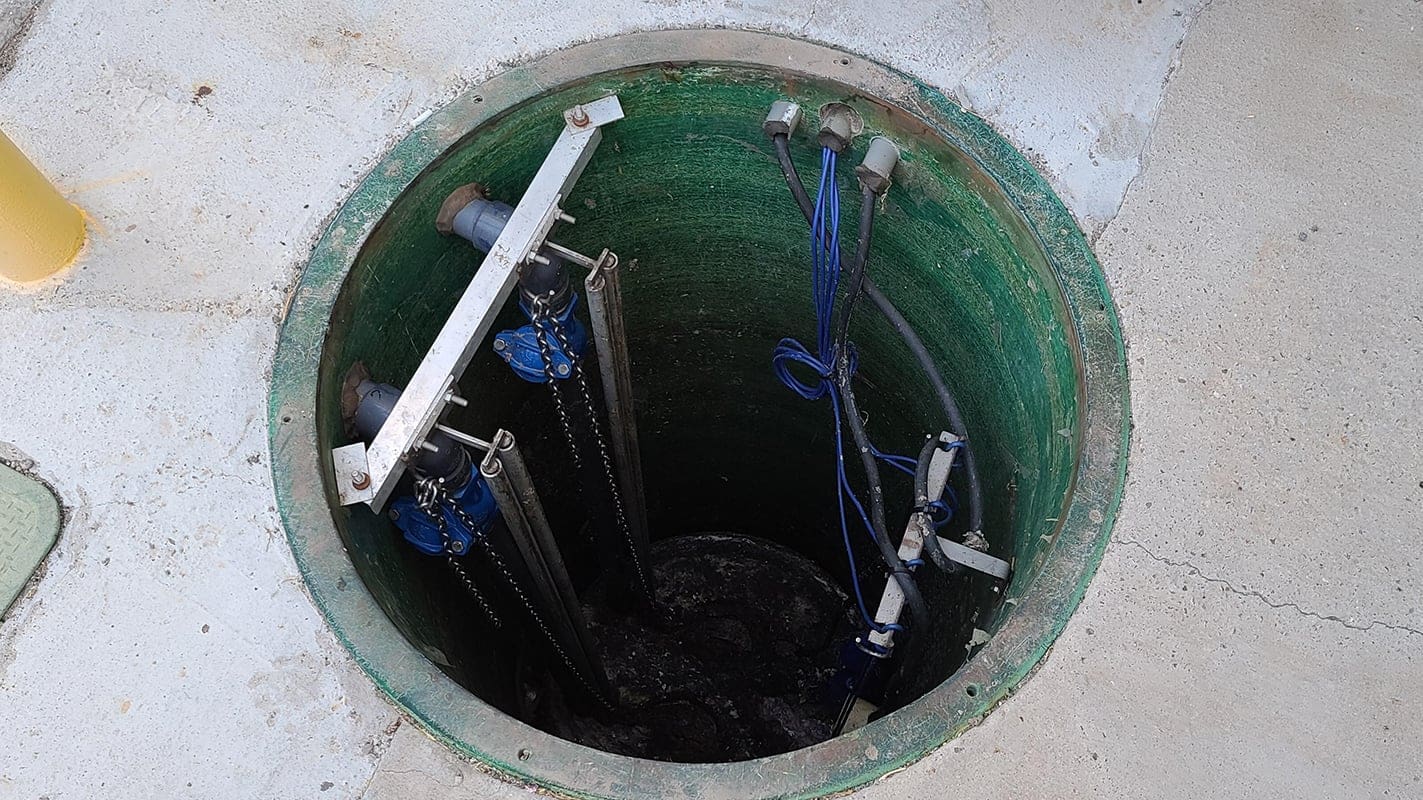
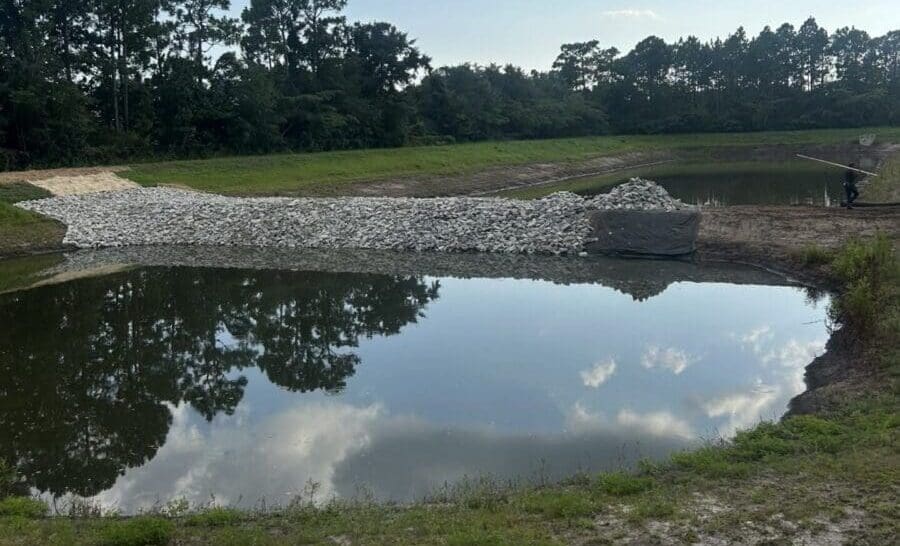
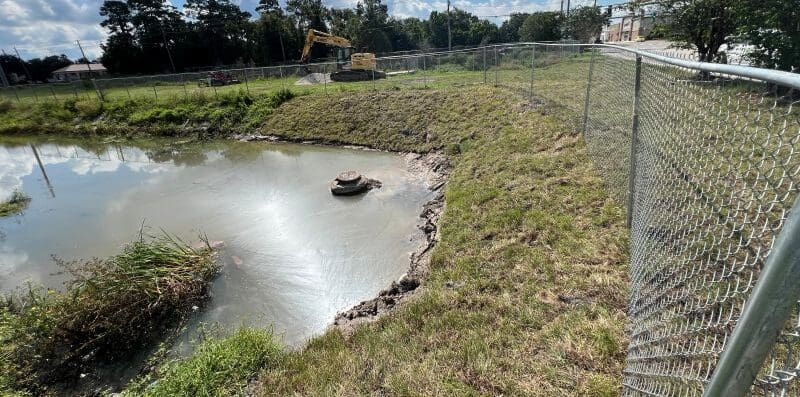
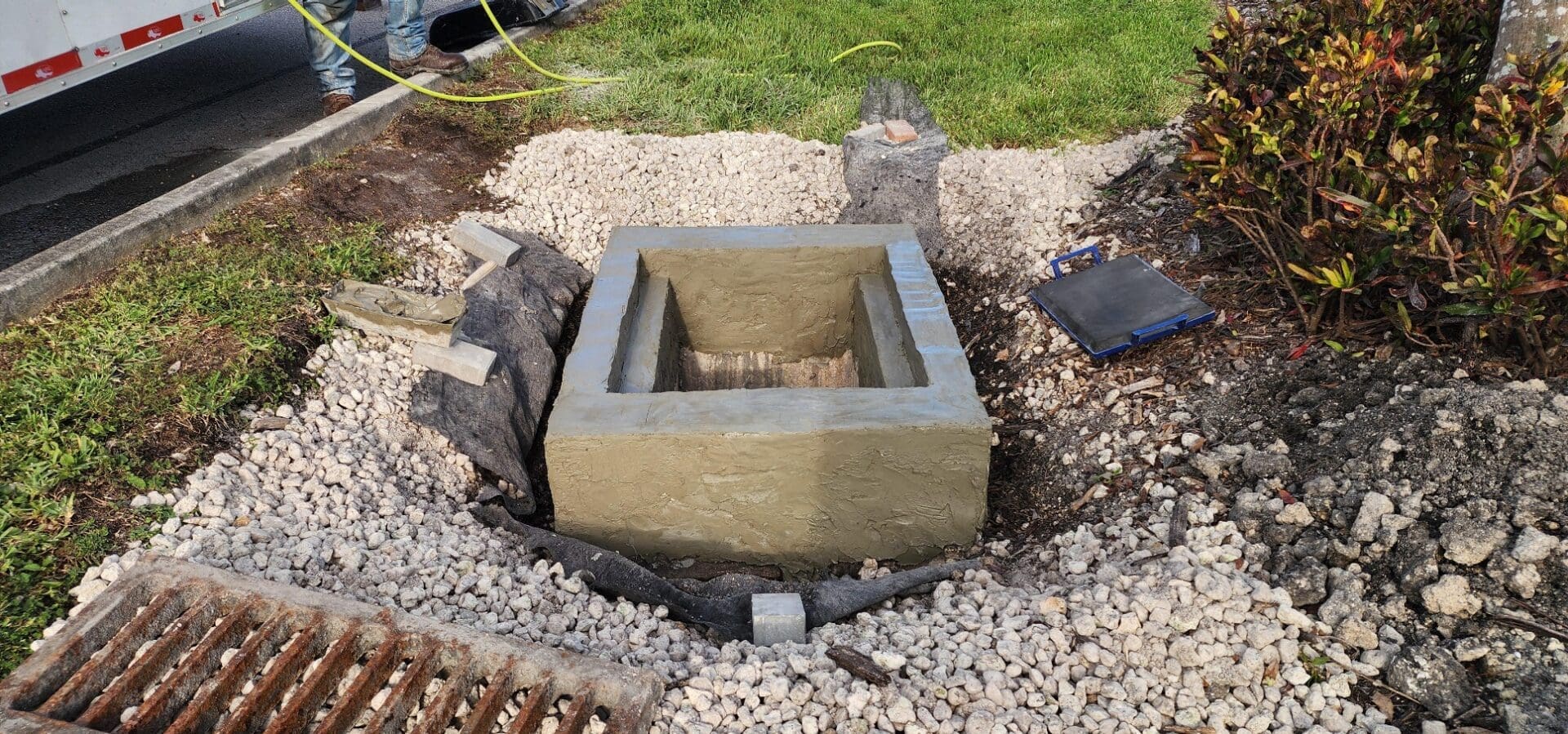
It shall be the responsibility of the property owner of record for the maintenance of storm water infrastructure. Maintenance of storm water infrastructure consists of a minimum but is not limited to the following items as they apply to the specific storm water facility: outlet cleaning, mowing, herbicide spraying, litter control, removal of sediment from basin and outlet structures, repair of drainage structures, and other items that may be included in the facilities maintenance and repair plan. All such activities will be conducted in an environmentally sound manner and consistent with applicable codes, rules, and/or standards. No modifications shall be made to open ditches or other wet weather conveyances without coordination with the Director. All storm water management control facilities proposed by the owners and approved by the Director for dedication as a public facility shall be maintained by the owner until such time as the Director accepts the facilities. Upon acceptance, the facilities shall be publicly owned and /or maintained.
Maintenance documents
Maintenance requirements for new privately owned permanent storm water management facilities may also be prescribed by a site-specific document between the owner or operator and the City. This document shall be based on an approved site design, a SWPPP, an inspection program (see §14-208), a long-term maintenance plan to include the requirements listed in §14-207(6), an emergency repair plan, easements, and proof or surety of financial responsibility. Approved maintenance documents shall be recorded in the Shelby County Register’s office and shall act as a property deed restriction to ensure maintenance and repair responsibilities are carried out in perpetuity.
Failure to meet or maintain design or maintenance standards
If a responsible party fails or refuses to meet the design or maintenance standards required for storm water facilities under this chapter, the City, after reasonable notice, may correct a violation of the design standards or maintenance needs by performing all necessary work to place the facility in proper working condition. In the event that the storm water management facility becomes a danger to public safety or public health, the City shall notify in writing the party responsible for maintenance of the storm water management facility. Upon receipt of that notice, the responsible person shall have thirty (30) days to effect maintenance and repair of the facility in an approved manner. In the event that corrective action is not undertaken within that time, the City may take necessary corrective action. The cost of any action by the City under this section shall be charged to the responsible party. Additionally, the Director may assess penalties as detailed in §14-211. Such an assessment will be used for cost recovery, to abate damages, and to restore impacted areas.
14-209. Monitoring and inspection.
Inspections
a. The Manager or a municipal inspector, bearing proper credentials and identification, may enter properties for inspections, investigations, monitoring, observation, measurement, enforcement, sampling and testing, to effectuate the provisions of this chapter and/or the NPDES storm water permit. The Manager or the municipal inspector shall duly notify the owner of said property or the representative on site and the inspection shall be conducted at reasonable times.
b. Upon refusal by any property owner to permit a municipal inspector to enter or continue an inspection, the inspector shall terminate the inspection or confine the inspection to areas wherein no objection is raised. The inspector shall immediately report the refusal and the circumstances to the Manager.
c. In the event the Manager reasonably believes that discharges into the MS4 may cause an imminent and substantial threat to human health or the environment, an inspection may take place at any time and without notice to the owner of the property or a representative on site. The municipal inspector shall present proper credentials upon request by the owner or representative.
d. At any time during the conduct of an inspection or at such other times as the Manager or municipal inspector may request information from an owner or representative, the owner or representative may identify areas of the facility or establishment, material or processes which contains or may contain a trade secret. If the Manager or the municipal inspector has no clear and convincing reason to question such identification, the inspection report shall note that trade secret information has been omitted. To the extent practicable, the Manager shall protect all information that is designated as a trade secret by the owner or their representative.
14-211. Enforcement Response and Abatement.
Whenever the manger finds any permittee or person discharging storm water, or other pollutants into the MS4 or otherwise has violated or is violating this chapter, conditions of a storm water permit, or order issued hereunder, the Manager may use enforcement response and abatement actions specified herein to achieve compliance. Although enforcement and abatement actions should be progressively applied until compliance is achieved, enforcement actions may be administered in any sequence as the Manager deems appropriate for the violation. If the Manager deems it necessary, a complaint may be filed with the Commissioner of TDEC pursuant to TCA §69-3-118.
Processing a violation.
a. The Director may issue an assessment against any person or permittee responsible for the violation.
b. The Director may consider the following factors when assessing an administrative or civil penalty (TCA §68-221-1106(b)):
i. The harm done to the public health or environment;
ii. Whether the assessment or civil penalty imposed will be an appropriate economic deterrent to the illegal activity by the violator or others in the regulated community;
iii. The economic benefit gained by the violator;
iv. The amount of effort put forth by the violator to remedy the violation and/or the effectiveness of those remedies;
v. Any unusual or extraordinary enforcement costs incurred by the City;
vi. The amount of penalty established by ordinance or resolution for specific categories of violations (see Attachment 1);
vii. Cause of discharge or violation;
viii. The severity of the discharge and its effect on the MS4;
ix. The technical and economic reasonableness of reducing or eliminating the discharge.
x. Any equities of the situation which outweigh the benefit of imposing any penalty or damage assessment.
c. The Director may also assess damages proximately caused by the violator to the City which may include any reasonable expenses incurred in investigating and enforcing violations or any other actual damages caused including but not limited to costs involved in rectifying damages, costs of the City’s maintenance of storm water facilities when the user of such facilities fails to maintain them as required by this chapter and costs (direct and indirect) and attorney’s fees incurred as a result of illegal activities.
d. Any person against whom an assessment or order has been issued may secure a review of such assessment or order by filing with the Manager a written appeal setting forth the specific legal and technical grounds and reasons for his objections and asking for a hearing in the matter involved before the Storm Water Board of Appeals. Applications for appeals must meet the requirements specified in §14-212. If an appeal for review of the assessment, penalty and/or order is not filed within thirty (30) days after the date of the assessment, penalty and/or order is served, the violator shall be deemed to have consented to the assessment and it shall become final.
e. Whenever any assessment or penalty has become final because of a person’s failure to appeal, the Director may apply to the appropriate court for judgment and seek execution of such judgment and the court, in such proceedings, shall treat a failure to appeal such assessment as a confession of judgment in the amount of the assessment (TCA §68-221-1106(e)).
f. Any civil penalty assessed to a violator pursuant to this section may be in addition to any civil penalty assessed by the Commissioner of TDEC in accordance with TCA §69-3-115; however, the sum of penalties imposed by this section and by the TCA §69-3-115 shall not exceed ten thousand dollars ($10,000.00) per day for each day during which the act or omission continues or occurs.
View State Page
Frequently Asked Questions
Why does the City of Bartlett regulate stormwater?
The city enacted its Storm Water Management and Pollution Control Ordinance to protect public health and the environment by controlling what gets discharged into the storm sewer system and the lakes, rivers, streams, and wetlands that receive it. The city is the permitting authority for all land disturbing activities.
Who is responsible for stormwater facilities after construction is finished?
The property owner is responsible for maintaining all on-site stormwater control facilities and any open space areas (such as parks or green areas) required by the approved stormwater control plan. Construction permits are only issued to projects that include a plan for managing stormwater runoff during construction, and that responsibility carries forward once the project is complete. AQUALIS can help property owners build a maintenance plan before construction wraps up.
What can and can't be discharged into the storm drain system?
Only stormwater itself is allowed into the municipal separate storm sewer system (MS4). Introducing anything else, such as construction materials, petroleum products, paints, solvents, pesticides, or wastewater, is prohibited and treated as a public nuisance. A few types of clean, uncontaminated flows are allowed, including:
- Potable water and water line flushing
- Air conditioning condensation
- Landscape irrigation or lawn watering
- Non-commercial car or boat washing
- De-chlorinated swimming pool water
What should I do if a spill happens on my property?
If the release involves hazardous materials, notify emergency responders immediately by calling 911. For non-hazardous releases, notify the city’s Manager no later than the next business day, and follow up with written confirmation within 3 business days. Commercial or industrial properties must also keep an on-site written record of the discharge and the steps taken to prevent it from happening again, retained for at least 3 years.
What are my ongoing maintenance responsibilities for a permanent stormwater facility?
As the property owner, you’re responsible for keeping your stormwater infrastructure in good working order. This includes tasks like:
- Outlet cleaning
- Mowing and herbicide spraying
- Litter control
- Sediment removal from basins and outlet structures
- Repair of drainage structures
All of this work must be done in an environmentally sound way and follow applicable codes and standards. AQUALIS can help set up a maintenance routine that covers these requirements.
Do I need to formally document my maintenance plan?
Yes, for privately owned permanent stormwater facilities. This document is based on your approved site design and includes a stormwater pollution prevention plan, an inspection program, a long-term maintenance plan, an emergency repair plan, and proof of financial responsibility. Once approved, it’s recorded with the Shelby County Register’s office and acts as a deed restriction, meaning the maintenance obligation stays with the property long term.
What are my ongoing maintenance responsibilities as a property owner in Cary?
If a facility isn’t meeting design or maintenance standards, the city will give written notice after which the responsible party typically has 30 days to complete repairs. If the facility becomes a danger to public safety or health and repairs aren’t made in time, the city can perform the necessary work itself and charge the cost back to the property owner, in addition to any penalties assessed. Staying ahead of routine maintenance is the best way to avoid this kind of escalation, and AQUALIS can help identify issues before they become safety violations.
What happens if my stormwater facility falls into disrepair?
Enforcement typically escalates in stages:
- Verbal warning: used for first time or minor issues, often during routine construction inspections
- Notice of non-compliance: issued if corrective action isn’t taken after a verbal warning
- Notice of violation: issued if the notice of non-compliance deadline is missed, and requires a written response within 10 days
- Compliance order or consent agreement: formal requirements with a deadline for corrective action
What are the financial penalties for stormwater violations?
Civil and administrative penalties range from $50 to $5,000 per day for each day a violation continues. Separately, knowing violations can be charged as a misdemeanor, with each day of noncompliance treated as its own offense. If you disagree with an assessed penalty, you can appeal in writing within 30 days; missing that window means the assessment becomes final.
What happens if I'm found in violation of the stormwater ordinance?
All engineered stormwater control structures require posting of financial assurance before construction permits are issued. The amount must equal 15% of the total cost of the structure or the estimated cost of maintaining it over a 10-year period — whichever is greater. The maintenance cost estimate is calculated by projecting 25 years of costs and multiplying by 0.4 (two-fifths). Acceptable forms of security include cash or an evergreen letter of credit readily convertible to cash at face value, deposited with the Town of Cary.
How long do I need to keep records related to my stormwater discharge or facility?
Generally, at least 3 years for records like spill notifications, maintenance activities, and facility installation. Records tied to an active enforcement matter or litigation must be kept until the matter and any appeals are fully resolved, and permit holders more broadly must retain monitoring and sampling records for at least 5 years.
The information on this page is provided for general informational purposes only and is not legal advice. Regulations change frequently — AQUALIS makes no warranty as to the accuracy or completeness of this content, and any reliance on it is at your own risk. Consult a qualified professional or your local regulatory authority to confirm requirements applicable to your specific property.